MBALIMBALI TRAVEL AND TOURS

Mount Kilimanjaro Trekking Cost Breakdown: What You Really Need to Budget

Planning to climb Africa’s highest peak is an exciting adventure, but understanding the Mount Kilimanjaro trekking cost  is essential before you begin your journey. Many climbers underestimate the total expenses involved, focusing only on the tour price while overlooking additional costs such as flights, travel insurance, equipment, visas, and guide tips. Knowing the complete cost in advance allows you to plan with confidence and avoid unexpected expenses.

A detailed Mount Kilimanjaro trekking cost  helps you prepare financially and make informed decisions when choosing your trekking package. Costs can vary depending on the route you select, the number of climbing days, the quality of the tour operator, and the services included in your itinerary. From mandatory national park fees and camping charges to accommodation, meals, transportation, and porter support, every expense contributes to your overall budget.

This guide also explains optional expenses that many first-time climbers forget to include in their planning. These may include renting or purchasing trekking equipment, international and domestic flights, airport transfers, travel insurance, personal spending money, and gratuities for guides, porters, and cooks. Understanding these additional costs ensures you have a realistic budget and can fully enjoy your Kilimanjaro experience without financial stress.

In this guide, we provide a complete Mount Kilimanjaro trekking cost  so you can budget wisely and prepare for every stage of your adventure. Whether you are planning a budget, mid-range, or luxury climb, knowing where your money goes will help you choose the best option for your needs. With careful financial planning, you can focus on enjoying the journey and achieving your dream of standing on the summit of Africa’s highest mountain.

Why Understanding Costs Matters

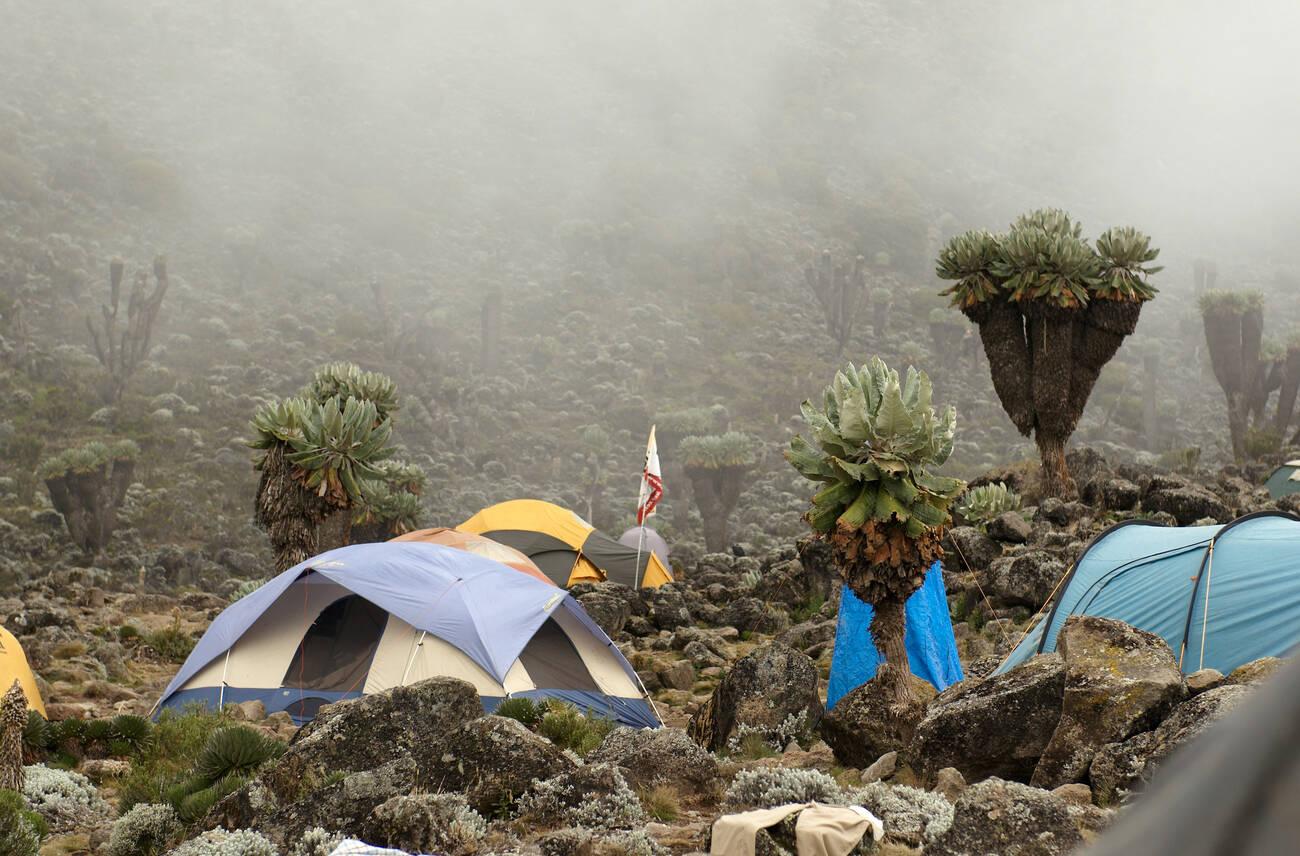
mount kilimanjaro trekking cost

Climbing Kilimanjaro is not just about physical preparation it also requires careful financial planning. A detailed Mount Kilimanjaro trekking cost ensures you know exactly where your money goes and what is included in your trekking package. Understanding the full cost before booking allows you to compare different tour operators, avoid hidden charges, and choose an option that offers the best value for your budget and climbing goals.

Without a proper Mount Kilimanjaro trekking cost, you may encounter unexpected expenses that can affect both your budget and your overall experience. Many first time climbers focus only on the advertised tour price, forgetting to account for additional costs such as visas, flights, travel insurance, equipment rental, hotel accommodation before and after the climb, airport transfers, and tips for the mountain crew. Planning for these expenses in advance helps prevent financial surprises during your trip.

A complete Mount Kilimanjaro trekking cost also helps you understand why prices vary between different trekking packages. Factors such as route length, group size, accommodation quality, guide experience, included services, and the number of climbing days all influence the total cost. While cheaper packages may seem attractive, they sometimes exclude important services or provide fewer acclimatization days, which can affect both comfort and summit success.

Knowing the full Mount Kilimanjaro trekking cost  allows you to choose the right package based on your budget, travel style, and comfort level. Whether you are planning a budget, mid-range, or luxury expedition, understanding every expense helps you make informed decisions and prepare with confidence. Careful budgeting ensures you can focus on enjoying your Kilimanjaro adventure without worrying about unexpected costs along the way.

Main Cost Categories

 Park Fees and Government Charges

Park fees are the largest part of the Mount Kilimanjaro trekking cost  These mandatory charges are set by the Tanzania National Parks Authority (TANAPA) and apply to every climber, regardless of which tour operator they choose. The fees support conservation efforts, park maintenance, rescue services, and the protection of Mount Kilimanjaro’s unique ecosystems. Since these charges are fixed by the government, they make up a significant portion of every trekking package.

What’s Included

  • Conservation fees

  • Camping or hut fees

  • Rescue fees

  • Guide and porter entrance fees

These government charges can range between $800 and $1,200 per person, depending on the route, the number of trekking days, and whether you camp or stay in mountain huts. Longer routes generally have higher park fees because you spend more days inside the national park. As a result, these mandatory costs are one of the biggest factors influencing the overall Mount Kilimanjaro trekking cost breakdown.

 Tour Operator Costs

Most climbers book their expedition through licensed tour companies that organize every aspect of the climb. This is another major component of the Mount Kilimanjaro trekking cost , as tour operators provide the professional staff, equipment, transportation, and logistical support needed for a safe and successful expedition. Choosing an experienced and reputable company can greatly improve both your comfort and your chances of reaching the summit.

What You Pay For

  • Professional guides and porters

  • Meals during the trek

  • Tents and camping equipment

  • Transport to and from the mountain

In addition to these services, many operators include airport transfers, pre-climb briefings, accommodation before and after the trek, drinking water, dining tents, portable toilets on selected routes, and emergency safety equipment. The services included vary between companies, so it is important to compare packages carefully before booking.

 Flights and Travel Expenses

International flights are not included in most trekking packages but are an important part of your personal Mount Kilimanjaro trekking cost. The total amount you spend on travel depends on your departure country, the time of year, airline availability, and how far in advance you book your tickets. Planning your flights early can help you secure better fares and reduce your overall travel expenses.

Estimated Costs

  • International flights: $600–$1,500 (depending on your departure location and travel season)

  • Airport transfers: Sometimes included in your trekking package

In addition to flights, you may also need to budget for travel insurance, visas, passport fees, hotel accommodation before and after the trek, meals outside the itinerary, and transportation within Tanzania if these services are not included by your tour operator. These additional travel expenses can have a significant impact on your total Mount Kilimanjaro trekking cost breakdown, so it is important to include them when planning your budget.

 Gear and Equipment

Having the right gear is essential for a safe, comfortable, and successful climb. Proper equipment protects you from cold temperatures, rain, wind, and changing weather conditions as you move through Kilimanjaro’s different climate zones. Whether you purchase or rent your equipment, gear is another important component of the Mount Kilimanjaro trekking cost.

Essential Items

  • Hiking boots

  • Warm clothing

  • Sleeping bag

  • Backpack

You may also need additional items such as waterproof outer layers, thermal base layers, gloves, trekking poles, sunglasses, a headlamp, gaiters, and reusable water bottles or hydration systems. Many reputable tour operators offer rental equipment, allowing climbers to reduce costs without purchasing expensive gear they may only use once.

You can expect to spend approximately $200 to $800, depending on whether you buy new equipment, use gear you already own, or rent items in Tanzania. Purchasing premium outdoor gear generally costs more but can provide greater comfort and durability, while renting is often a more affordable option for first-time climbers. Proper gear planning is an effective way to manage your Mount Kilimanjaro trekking cost while ensuring you have everything needed for a safe and enjoyable expedition.

 Tips for Guides and Porters

Tipping is expected and forms a significant part of the Mount Kilimanjaro trekking cost 

Recommended Tips

  • Guides: $20–$30 per day
  • Porters: $5–$10 per day
  • Cook: $10–$15 per day

Total tips can reach $200–$400. Including tips in your Mount Kilimanjaro trekking cost  is very important.

 Accommodation Before and After the Trek

Most climbers stay in hotels before and after the trek. This cost should be included in your Mount Kilimanjaro trekking cost.

Average Prices

  • Budget hotels: $30–$80 per night
  • Mid-range hotels: $80–$150 per night

These stays are often overlooked in a Mount Kilimanjaro trekking cost., but they add up quickly.

 Food and Drinks

Meals on the mountain are usually included, but extra snacks and drinks are part of your personal Mount Kilimanjaro trekking cost

Budget Estimate

  • Snacks: $20–$50
  • Drinks: $10–$30

Small expenses like these still affect your total Mount Kilimanjaro trekking cost.

Mount Kilimanjaro – Rongai Route (7 Days / 6 Nights)

Mount Kilimanjaro Trek – Machame Route (7 Days / 6 Nights)

Mount Kilimanjaro – Marangu Route (6 Days / 5 Nights)

Mount Kilimanjaro – Lemosho Route (8 Days / 7 Nights)

Budget vs Luxury Climb

Your final Mount Kilimanjaro trekking cost depends largely on your travel style, expectations, and the level of service you choose. Some climbers prefer affordable group expeditions that cover all the essentials, while others invest in premium experiences with added comfort, personalized service, and enhanced support. Understanding the differences between budget and luxury climbs will help you choose the option that best fits your goals and financial plan.

Budget Option

A budget climb is the most affordable way to experience Mount Kilimanjaro and is ideal for travelers who want to keep costs as low as possible. These packages usually include the essential services needed for a safe climb, such as licensed guides, porters, meals, camping equipment, and park fees. Group departures are common, which helps reduce individual costs by sharing expenses among several climbers.

Lower prices often mean fewer extra comforts, such as simpler camping equipment, larger group sizes, and more basic accommodation before or after the trek. However, a reputable budget operator should still maintain high safety standards and employ experienced mountain staff. Choosing this option keeps your Mount Kilimanjaro trekking cost. as economical as possible while still providing a rewarding climbing experience.

Luxury Option

A luxury Kilimanjaro climb offers a more comfortable and personalized experience with premium services throughout the expedition. These packages often include smaller group sizes, spacious tents, high-quality camping equipment, private toilet facilities, upgraded hotel accommodation, gourmet meals, and additional safety support such as pulse oximeters and emergency oxygen systems. Many luxury operators also provide extra staff to enhance comfort on the mountain.

The higher level of service naturally increases the overall Mount Kilimanjaro trekking cost, with luxury packages often costing significantly more than standard group climbs. However, many travelers appreciate the added comfort, convenience, and personalized attention, especially during a demanding high-altitude trek. 
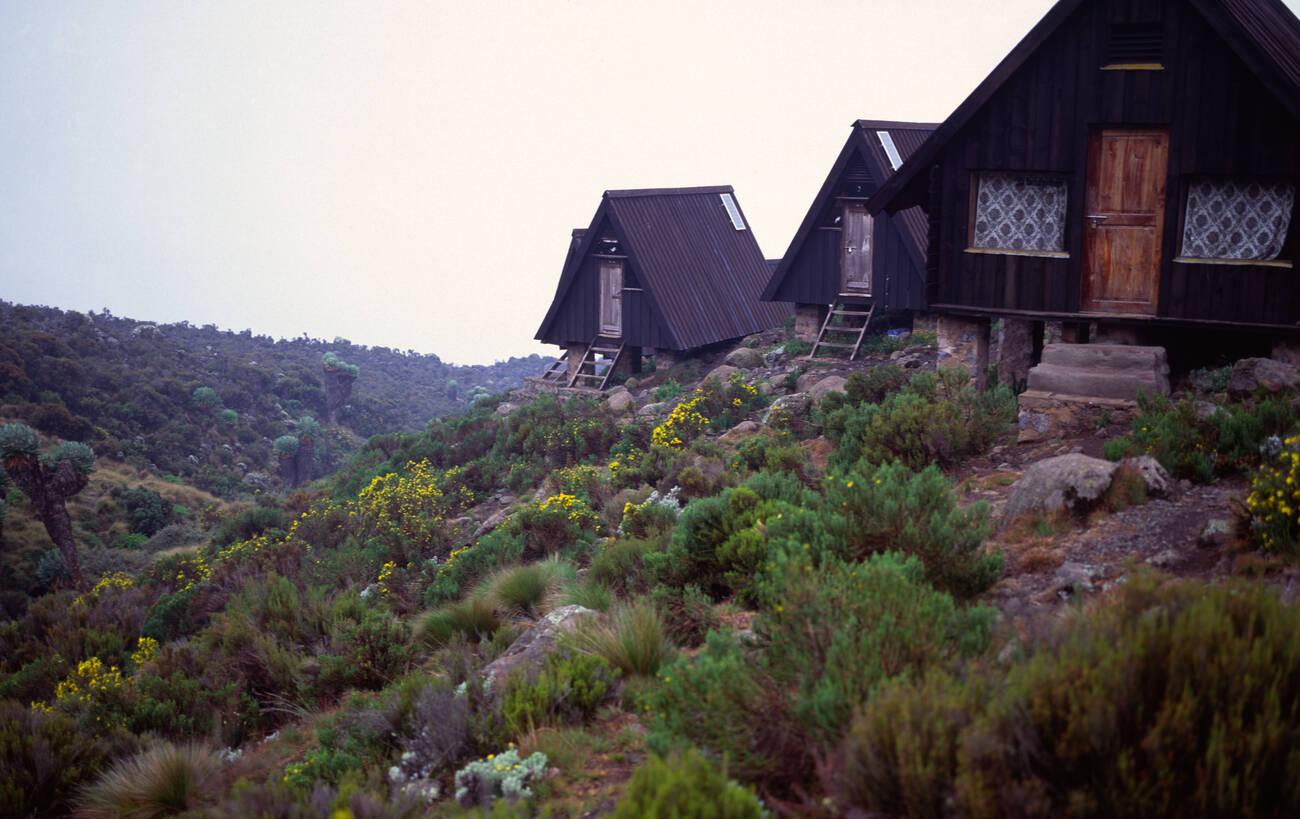
mount kilimanjaro trekking cost

How to Save Money to reduce Mount Kilimanjaro Trekking Cost

Climbing Mount Kilimanjaro is a significant investment, but careful planning can help you reduce costs without compromising your safety or overall experience. A well planned Mount Kilimanjaro trekking cost allows you to identify where you can save money while still choosing a reliable tour operator and preparing properly for the climb. The goal is to spend wisely rather than simply choosing the cheapest option available.

Tips to Save

  • Travel in a group

  • Rent gear instead of buying

  • Book early for discounts

  • Choose longer routes for higher success

Traveling as part of a group often lowers the cost per person because transportation, guides, and support staff are shared among several climbers. Renting specialized equipment such as sleeping bags, trekking poles, or insulated jackets can also save hundreds of dollars, especially if you do not plan to use the gear again after your trip. Booking your expedition several months in advance may qualify you for early booking discounts and gives you access to more route and departure options.

Choosing a longer route may seem more expensive at first, but it can actually provide better value in the long run. Routes with better acclimatization generally have higher summit success rates, reducing the risk of an unsuccessful climb and the need to book another expedition in the future. Investing in a route that gives you the best chance of reaching Uhuru Peak can make your Mount Kilimanjaro trekking cost more cost effective overall.

These strategies will help you manage your Mount Kilimanjaro trekking cost effectively while maintaining high standards of safety and comfort. By comparing tour operators carefully, budgeting for all expected expenses, avoiding unnecessary purchases, and planning well in advance, you can enjoy an unforgettable Kilimanjaro adventure without exceeding your budget. Smart financial planning ensures you focus on the climb itself rather than worrying about unexpected costs.

Expert Budgeting Tips

Getting the best value from your Mount Kilimanjaro trekking cost. is not simply about finding the lowest price. The goal is to choose a trekking package that offers excellent safety, reliable service, and good overall value for your investment. Careful budgeting helps you avoid hidden costs, compare packages accurately, and ensure you are fully prepared for a successful climb.

Always Compare Multiple Operators

Before booking your trek, compare several licensed tour operators instead of choosing the first company you find. Look beyond the advertised price by evaluating guide experience, customer reviews, safety standards, group size, equipment quality, and the services included in each package. Comparing multiple options helps you identify the best balance between cost and quality.

Avoid Extremely Cheap Packages

If a package is significantly cheaper than others, it is important to understand why. Extremely low prices may indicate reduced services, inexperienced guides, poor-quality equipment, or unfair treatment of porters. While affordability is important, your safety and overall experience should never be compromised. A reasonably priced package from a reputable operator usually offers much better long-term value.

Check What Is Included

Always read the package details carefully before making a reservation. Some trekking packages include airport transfers, hotel accommodation, meals, park fees, camping equipment, and emergency safety gear, while others charge extra for these services. Understanding exactly what is included allows you to calculate your Mount Kilimanjaro trekking cost more accurately and avoid unexpected expenses during your trip.

Prioritize Safety Over Cost

Safety should always be your highest priority when climbing Mount Kilimanjaro. Choose an operator with experienced guides, proper emergency procedures, quality equipment, and a strong reputation for responsible trekking practices. Spending a little more on a company with excellent safety standards can significantly improve your comfort, confidence, and chances of reaching the summit successfully.

A smart budgeting strategy improves your overall Mount Kilimanjaro trekking cost  by helping you invest in quality services rather than simply choosing the lowest price. By comparing operators, understanding what is included, avoiding unrealistic bargains, and prioritizing safety, you can enjoy a well organized, stress free expedition while getting the best possible value from your Kilimanjaro adventure.

FAQs — Mount Kilimanjaro Trekking Cost Breakdown: What You Really Need to Budget

How much does it cost to climb Mount Kilimanjaro?

The cost of climbing Mount Kilimanjaro typically ranges from $1,800 to over $6,000 per person, depending on the route, trek duration, group size, accommodation, and the trekking operator you choose. Luxury and private climbs generally cost more than standard group departures.

Most Kilimanjaro trekking packages include park fees, professional guides, porters, cooks, camping equipment, meals on the mountain, airport transfers, and accommodation before and after the trek. Always check the itinerary to confirm exactly what is covered.

Besides the package price, you should budget for guide and porter tips, flights, visa fees, travel insurance, equipment rental or purchase, personal spending, and optional hotel upgrades. These extra costs can significantly affect your overall budget.

A large portion of the cost goes toward mandatory national park fees, staff wages, food, camping equipment, transportation, safety measures, and environmental conservation. Ethical operators also ensure fair pay and proper working conditions for guides and porters.

Yes. Joining a group trek, renting hiking gear instead of buying it, traveling during the shoulder season, and comparing reputable operators can help reduce costs while maintaining a safe and enjoyable trekking experience.

Most reputable tour operators include all Mount Kilimanjaro National Park fees in their package prices. These fees cover park entry, camping or hut accommodation, rescue services, and conservation charges.

Tipping is a standard part of trekking on Mount Kilimanjaro. While the exact amount depends on the group size and trek length, you should set aside a separate budget to reward guides, assistant guides, cooks, and porters for their service.

Group climbs are generally more affordable because participants share operational costs such as guides, porters, transportation, and camping equipment. Private treks offer greater flexibility and personalized service but come at a higher price.

Yes. Longer routes usually cost more because they require additional park fees, staff support, food supplies, and camping nights. However, they also improve acclimatization and increase your chances of reaching the summit successfully.

Before booking, ask for a detailed cost breakdown and confirm what is included and excluded. Check whether the price covers park fees, accommodation, meals, transfers, rescue fees, equipment, and taxes. Understanding these details helps you avoid unexpected expenses and choose the best value for your budget.

Plan your Trip

Ready to start planning your own incredible adventure?
We make the process stress-free and enjoyable.