
Mount Kilimanjaro Success Rate Explained: How to Reach Uhuru Peak
Climbing Mount Kilimanjaro is a dream for many travelers. Standing at 5,895 meters, it is the highest mountain in Africa and one of the most famous trekking destinations in the world. But reaching the summit is not guaranteed. Understanding the Mount Kilimanjaro success rate can help you prepare better and increase your chances of standing at Uhuru Peak. Many factors influence outcomes, including route choice, acclimatization time, physical fitness, and the support provided by guides during the climb. Most successful climbers follow structured itineraries that allow gradual adaptation to altitude.
Many climbers fail to reach the top due to poor preparation, altitude sickness, or choosing the wrong route. The good news is that with the right strategy, your chances improve significantly. This guide explains everything you need to know about the Mount Kilimanjaro success rate and how to succeed. One of the most common issues is ascending too quickly without proper acclimatization, which reduces oxygen levels in the body. Weather conditions and mental endurance also play a major role in determining whether climbers continue or turn back before the summit.
Another important factor affecting the Mount Kilimanjaro success rate is the choice of route and number of trekking days. Longer routes such as seven to nine days generally have higher success rates because they allow better acclimatization compared to shorter itineraries. Proper hydration, nutrition, and pacing are also essential during the climb. Many climbers underestimate the difficulty of the summit night, which is the coldest and most physically demanding section of the trek, requiring strong determination and steady pacing.
Improving your chances of success on Mount Kilimanjaro requires careful planning and preparation before the trek even begins. Regular training, including cardio and endurance exercises, helps build stamina for long trekking days. Choosing an experienced guide team significantly increases safety and summit success rates. Mental preparation is equally important, as climbers must stay focused during fatigue and altitude challenges. With the right mindset, preparation, and support, reaching Uhuru Peak becomes a realistic and achievable goal for most trekkers.
What Is the Mount Kilimanjaro Success Rate?

The Mount Kilimanjaro success rate refers to the percentage of climbers who successfully reach Uhuru Peak. On average, the success rate ranges between 65% and 85%, depending on the route and duration of the climb. It is an important indicator used by operators and trekkers when planning expeditions.
On average, the success rate ranges between 65% and 85%, depending on the route and duration of the climb. Shorter routes usually have a lower success rate because climbers do not get enough time to adjust to altitude. Other factors like fitness, weather, and guide support also influence outcomes overall.
Shorter routes usually have a lower success rate because climbers do not get enough time to adjust to the altitude. Longer routes, on the other hand, allow better acclimatization and improve the Mount Kilimanjaro success rate significantly by giving the body more time to adapt gradually during ascent process overall.
It is important to note that success is not just about reaching the summit. Completing the trek safely is equally important. Proper acclimatization, guide support, and physical readiness all contribute to a safe and enjoyable trekking experience in high altitude mountain environments for all climbers every step of journey matters.
Why Many Climbers Fail to Reach Uhuru Peak
Altitude Sickness
Altitude sickness is the main reason for failure. As you climb higher, oxygen levels decrease, making it harder to breathe. Without proper acclimatization, your chances drop significantly, lowering the Mount Kilimanjaro success rate. Symptoms such as headaches, nausea, dizziness, and fatigue can become severe if ignored. Taking extra acclimatization days, maintaining a slow pace, and staying well hydrated help your body adjust to the changing altitude and greatly increase your chances of reaching the summit safely.
Poor Preparation
Many climbers underestimate the challenge. Lack of physical fitness and mental readiness can affect your journey. Proper preparation is key to improving the Mount Kilimanjaro success rate. Training with regular hiking, cardiovascular exercises, strength workouts, and endurance activities prepares your body for long trekking days. Learning about the mountain, packing the right equipment, and developing a positive mindset also help climbers overcome physical and mental challenges during the ascent.
Choosing the Wrong Route
Not all routes are equal. Some are shorter and steeper, which reduces your chance of success. Choosing the right route plays a major role in boosting the Mount Kilimanjaro success rate. Longer routes provide more time for acclimatization, allowing your body to adapt gradually to higher elevations. Understanding the difficulty level, scenery, and duration of each route helps climbers select the best option based on their experience and fitness.
Inexperienced Guides
Your guide and support team matter a lot. Experienced guides know how to handle emergencies and help with acclimatization, improving the Mount Kilimanjaro success rate. Professional guides carefully monitor climbers for signs of altitude sickness, encourage a steady pace, and make informed decisions about safety throughout the trek. A reliable support team provides motivation, expert knowledge, and essential assistance, making the journey safer and increasing the likelihood of reaching Uhuru Peak successfully.
Best Routes for High Success Rates
Lemosho Route
The Lemosho Route is one of the best options for beginners. It offers a longer trekking period, which increases the Mount Kilimanjaro success rate. It also provides beautiful scenery and a gradual ascent. Many climbers prefer this route for its balance of comfort and success. Starting on the western side of the mountain, the route passes through lush rainforest, moorland, and alpine desert, giving trekkers enough time to adjust to the altitude while enjoying breathtaking landscapes throughout the journey.
Machame Route
Known as the “Whiskey Route,” Machame is popular and scenic. It has a good acclimatization profile, which improves the Mount Kilimanjaro success rate. Although slightly challenging, it offers a higher chance of reaching the summit compared to shorter routes. The route features diverse landscapes, including forests, rocky ridges, and spectacular viewpoints. Its climb-high, sleep-low approach supports better acclimatization, making it a favorite choice for adventurous climbers seeking rewarding summit success.
Rongai Route
Rongai approaches the mountain from the north. It is less crowded and has a steady climb. This route is ideal for those seeking a quieter experience while maintaining a good Mount Kilimanjaro success rate. The northern side of the mountain receives less rainfall, making the trails drier during certain seasons. Its gentle gradient and peaceful environment allow climbers to enjoy a relaxed trekking experience while steadily adapting to higher elevations.
Northern Circuit
This is the longest route and has the highest success rate. The extended duration allows proper acclimatization, making it the best choice for maximizing the Mount Kilimanjaro success rate. The Northern Circuit circles almost the entire mountain, offering incredible panoramic views and fewer crowds than other routes. With additional trekking days, climbers gain valuable acclimatization time, significantly improving comfort, safety, and the likelihood of reaching Uhuru Peak successfully.
How to Improve Your Mount Kilimanjaro Success Rate
Choose a Longer Itinerary
The more days you spend on the mountain, the better your body adapts. A longer climb significantly increases the Mount Kilimanjaro success rate. Avoid 5-day itineraries if possible. Aim for at least 7–9 days for better results. Extra trekking days give your body more time to acclimatize naturally, reduce the risk of altitude sickness, and improve both your confidence and overall summit experience.
Train Before Your Trip
Physical fitness is essential. Focus on cardio exercises like hiking, running, and cycling. Strength training also helps. Being fit improves endurance and directly impacts the Mount Kilimanjaro success rate. Preparing several weeks before your climb strengthens your muscles, improves cardiovascular health, and allows you to handle long walking days with greater comfort and less fatigue.
Follow the “Pole Pole” Rule
“Pole pole” means “slowly slowly” in Swahili. Walking slowly helps your body adjust to altitude. This simple rule is one of the most effective ways to increase the Mount Kilimanjaro success rate. Maintaining a steady pace conserves energy, reduces unnecessary strain, and gives your body enough time to adapt to the decreasing oxygen levels encountered at higher elevations.
Stay Hydrated
Drink plenty of water during the climb. Hydration helps your body cope with altitude. Proper hydration is often overlooked but plays a key role in the Mount Kilimanjaro success rate. Drinking enough water supports healthy circulation, reduces the risk of dehydration-related fatigue, and helps your body function more efficiently throughout every stage of the trek.
Listen to Your Guide
Guides are experienced and trained. Follow their advice carefully. Their guidance can make a big difference in achieving a higher Mount Kilimanjaro success rate. Experienced guides monitor your health, recommend the appropriate pace, and recognize early signs of altitude sickness. Trusting their instructions improves safety, boosts confidence, and greatly increases your chances of successfully reaching Uhuru Peak.
Importance of Acclimatization
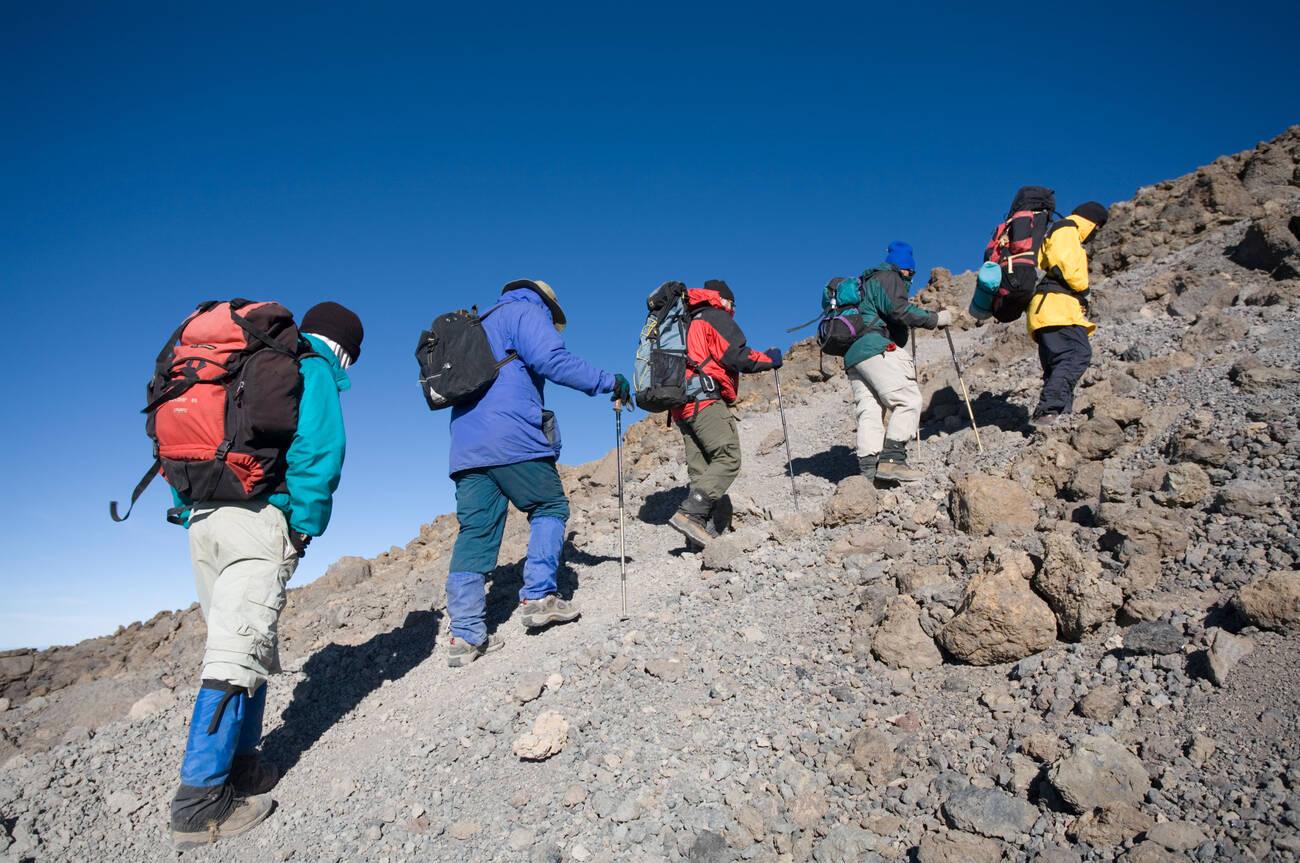
Acclimatization is the process of adjusting to high altitude. It is the most important factor affecting the Mount Kilimanjaro success rate. As the elevation increases, oxygen levels become lower, making it more difficult for the body to function normally. Allowing enough time to adapt helps reduce discomfort and prepares climbers for the demanding conditions near the summit.
Routes that include “climb high, sleep low” strategies help your body adapt better. This method significantly increases your chances of reaching Uhuru Peak. By hiking to higher elevations during the day and returning to sleep at a lower altitude, your body gradually becomes more efficient at using oxygen, improving endurance and reducing the likelihood of altitude sickness.
Ignoring acclimatization can lead to serious health risks and reduce the Mount Kilimanjaro success rate. Symptoms such as headaches, nausea, dizziness, and extreme fatigue may worsen if proper adjustment is neglected. Taking acclimatization seriously, following your guide’s instructions, maintaining a slow pace, and staying hydrated all contribute to a safer climb and a greater chance of successfully reaching Uhuru Peak.
Best Time to Climb for Higher Success
Weather plays a major role in your climb. The best months are: January to March and June to October. During these periods, the weather is generally stable, temperatures are more comfortable, and the skies are often clear. These favorable conditions create a safer trekking environment and contribute to a higher Mount Kilimanjaro success rate.
During these periods, the weather is stable, and visibility is clear. Favorable conditions improve the Mount Kilimanjaro success rate. Clear skies allow climbers to enjoy spectacular views of the mountain’s diverse landscapes while reducing weather-related challenges. Dry trails also make hiking easier, helping climbers conserve energy and maintain a steady pace throughout the journey.
Avoid the rainy seasons, as slippery trails and poor conditions make the climb harder. Wet weather can reduce visibility, increase the risk of slips and falls, and make camping conditions less comfortable. Planning your expedition during the recommended climbing seasons improves safety, enhances the overall trekking experience, and significantly increases the Mount Kilimanjaro success rate.
Mental Strength and Motivation
Climbing Kilimanjaro is not just physical. Mental strength is equally important. Every climber experiences moments of exhaustion, discomfort, and self-doubt during the journey. Developing a positive attitude before the trek helps you remain determined, overcome unexpected challenges, and stay committed to your goal of reaching Uhuru Peak despite the demanding conditions.
There will be moments when you feel tired or want to give up. Staying positive and focused can greatly improve the Mount Kilimanjaro success rate. Breaking the climb into smaller milestones, encouraging yourself, and celebrating each achievement along the way can boost confidence and make the long ascent feel more manageable and rewarding.
Having a strong mindset helps you push through difficult sections, especially summit night. The final ascent often begins before midnight and requires patience, determination, and resilience. Trusting your preparation, following your guide’s encouragement, and maintaining a steady pace will help you overcome fatigue and significantly increase your Mount Kilimanjaro success rate.
What Happens on Summit Night?
Summit night is the most challenging part of the climb. You start hiking around midnight in cold and dark conditions. Temperatures often drop below freezing, and the thin air makes every step feel more demanding. Climbers rely on headlamps, warm clothing, and determination as they begin the final ascent toward Uhuru Peak.
This is when many climbers turn back. Proper preparation and pacing are crucial for maintaining a high Mount Kilimanjaro success rate. Walking slowly, taking regular breaks, and following your guide’s instructions help conserve energy throughout the climb. Staying hydrated and maintaining a positive mindset are equally important during this demanding stage of the expedition.
Reaching Uhuru Peak at sunrise is a rewarding experience that makes all the effort worthwhile. Watching the first rays of sunlight illuminate the glaciers and surrounding landscapes creates an unforgettable moment for successful climbers. The sense of achievement after overcoming the mountain’s toughest challenge is one of the reasons so many people dream of climbing Mount Kilimanjaro.
Common Mistakes to Avoid
Climbing too fast, ignoring symptoms of altitude sickness, packing the wrong gear, not training before the trip, and choosing cheap, inexperienced operators are some of the most common mistakes climbers make. These errors can affect your comfort, safety, and overall performance, making it much harder to reach Uhuru Peak successfully, especially during the final, exhausting summit push.
Climbing at a steady pace, recognizing early signs of altitude sickness, and carrying appropriate clothing and equipment are essential for a successful expedition. Preparing physically before your trip and selecting a reputable operator with experienced guides provide the support and confidence needed to overcome the mountain’s challenges and changing conditions throughout every stage of the demanding ascent.
Avoiding these mistakes can greatly improve the Mount Kilimanjaro success rate. Careful planning, proper preparation, and following professional guidance throughout the trek help reduce unnecessary risks and create a safer, more enjoyable climbing experience. Every smart decision you make before and during the journey brings you one step closer to standing on the summit of Africa’s highest peak and increases your chances of success.
FAQs — Mount Kilimanjaro Success Rate Explained: How to Reach Uhuru Peak
What is the average Mount Kilimanjaro success rate?
The average Mount Kilimanjaro success rate ranges from 65% to 95%, depending on the route, itinerary length, guide experience, and climber preparation. Climbers who choose 7–8-day routes generally enjoy much higher summit success rates because they have more time to acclimatize to the altitude.
Which Kilimanjaro route has the highest success rate?
The Northern Circuit Route typically has the highest success rate, often exceeding 95%. This is because it offers the longest acclimatization period. Other high-success routes include the Lemosho Route and the Machame Route, both known for their gradual ascent profiles.
Why do many climbers fail to reach Uhuru Peak?
The most common reason climbers fail to reach Uhuru Peak is altitude sickness, not physical fitness. Rapid ascent, poor acclimatization, dehydration, and ignoring early symptoms of altitude sickness significantly reduce the chances of reaching the summit safely.
How can I increase my chances of reaching Uhuru Peak?
improve your Mount Kilimanjaro success rate:
- Choose a 7–8-day itinerary.
- Train several months before your climb.
- Walk slowly and maintain a steady pace.
- Stay hydrated and eat enough during the trek.
- Listen to your mountain guides and report any symptoms immediately.
Does physical fitness guarantee a successful Kilimanjaro summit?
No. While good physical fitness helps you handle long hiking days, it does not guarantee summit success. Altitude affects everyone differently, regardless of age or fitness level. Proper acclimatization is usually more important than athletic ability.
What is the best itinerary for reaching Uhuru Peak?
Most experienced guides recommend a 7-day or 8-day itinerary because the additional acclimatization days allow your body to adjust to the high altitude. Longer itineraries consistently achieve better summit success rates than shorter 5- or 6-day climbs.
What is summit night like on Mount Kilimanjaro?
Summit night begins around midnight and is the most demanding section of the climb. Climbers hike in darkness, freezing temperatures, and thinner air to reach Uhuru Peak by sunrise. Moving slowly, staying warm, and following your guide’s pace are essential for success.
Does choosing an experienced guide improve summit success?
Yes. Experienced guides closely monitor your health, manage your pace, encourage proper hydration, and recognize early signs of altitude sickness. Reputable operators generally report much higher Mount Kilimanjaro success rates because of their safety standards and experienced mountain crews.
When is the best time to climb Mount Kilimanjaro for the highest success rate?
The best months are typically January to March and June to October. These dry seasons offer better trail conditions, clearer skies, and more comfortable hiking weather, which can contribute to a higher chance of reaching Uhuru Peak.
What are the biggest mistakes that lower the Mount Kilimanjaro success rate?
Some of the most common mistakes include:
- Choosing the shortest itinerary.
- Hiking too quickly.
- Ignoring symptoms of altitude sickness.
- Arriving without proper physical preparation.
- Packing inadequate clothing and gear.
- Selecting an inexperienced or budget operator solely based on price.
Plan your Trip
Ready to start planning your own incredible adventure?
We make the process stress-free and enjoyable.