
MBALIMBALI TRAVEL AND TOURS

7 Day vs 9 Day Kilimanjaro Trek: Which Itinerary Is Best for You?

Choosing between a 7 day vs 9 day Kilimanjaro trek is one of the most important decisions when planning your climb. Mount Kilimanjaro offers several routes and durations, but the number of days you spend on the mountain can greatly affect your experience and success rate. Every extra day on the mountain influences how your body adapts to the altitude, how much energy you preserve, and how comfortably you can complete each stage of the journey toward the summit.

Many trekkers often ask whether a shorter or longer itinerary is better. The truth is, both options have their advantages and challenges. A seven-day trek is often preferred by travelers with limited vacation time or tighter budgets, while a nine day itinerary provides a slower pace and more opportunities for proper acclimatization. Choosing the right schedule depends on your fitness level, previous hiking experience, personal goals, and how much time you can dedicate to the adventure.

In this guide, we will compare the 7 day vs 9 day Kilimanjaro trek in detail. You will learn about acclimatization, difficulty, cost, and overall experience so you can choose the best itinerary for your adventure. We will also explain how daily trekking distances, rest opportunities, and altitude gain differ between the two options, helping you understand how each itinerary affects comfort, safety, and your overall summit success.

By understanding the differences between these itineraries before booking your expedition, you can plan with greater confidence and set realistic expectations for the climb. Whether your priority is maximizing your summit chances, staying within a specific budget, or enjoying a more relaxed trekking experience, comparing the 7 day vs 9 day Kilimanjaro trek will help you select the itinerary that best matches your needs and creates a more rewarding mountain adventure.

Why Trek Duration Matters

When comparing a 7 day vs 9 day Kilimanjaro trek, duration plays a key role in your success. Mount Kilimanjaro is not a technical mountain that requires climbing equipment or advanced mountaineering skills, but altitude remains the greatest obstacle for most trekkers. As you climb higher, the air becomes thinner, making it more difficult for your body to function efficiently and increasing the risk of altitude-related illnesses.

Your body needs time to adjust to lower oxygen levels. The more days you spend on the mountain, the better your chances of proper acclimatization. A gradual ascent allows your body to produce the necessary physiological changes that improve oxygen use, reduce fatigue, and lower the likelihood of developing symptoms such as headaches, nausea, dizziness, or shortness of breath during the climb.

A 7 day Kilimanjaro trek typically follows a faster schedule, making it a suitable option for experienced hikers, physically fit trekkers, or travelers with limited time. In contrast, a 9 day Kilimanjaro trek includes additional acclimatization days that provide more time for rest, recovery, and adapting to the changing altitude. These extra days often improve comfort on the trail and significantly increase the chances of reaching Uhuru Peak successfully.

This is why choosing between a 7 day vs 9 day Kilimanjaro trek is not just about time, but also about safety and comfort. Your decision should reflect your fitness level, previous high-altitude experience, travel schedule, and personal goals. Understanding how trek duration influences acclimatization, energy levels, and summit success will help you select the itinerary that offers the best overall climbing experience.

Overview of the 7 Day Kilimanjaro Trek

7 day vs 9 day Kilimanjaro trek

Faster and More Challenging

A 7 day vs 9 day Kilimanjaro trek often starts with understanding the shorter option. The 7-day trek is designed for travelers with limited vacation time who still want to experience the challenge of reaching Africa’s highest peak. It offers a well-structured itinerary that balances daily hiking distances with overnight camps, allowing climbers to complete the expedition within a single week while enjoying Kilimanjaro’s diverse landscapes.

It usually follows popular routes like Machame or Lemosho with fewer acclimatization days. This means you will ascend faster, gaining altitude over a shorter period than longer itineraries. While these routes remain scenic and rewarding, the quicker pace gives your body less time to adapt to decreasing oxygen levels, making proper hydration, nutrition, and a steady walking pace even more important throughout the climb.

While this option is possible, it is more physically demanding and requires good fitness. Trekkers should prepare with regular cardiovascular training, strength exercises, and practice hikes before arriving in Tanzania. Previous experience hiking at moderate or high altitudes can also be beneficial, although it is not essential if you are well-prepared and follow your guide’s advice carefully during the expedition.

Despite its challenges, the 7 day Kilimanjaro trek remains a popular choice because it combines adventure, efficiency, and affordability. Many climbers successfully reach the summit on this itinerary by maintaining a slow pace, staying positive, and listening to their guides. For those who are physically fit and comfortable with a faster ascent, the 7-day option can provide a rewarding and unforgettable Kilimanjaro experience.
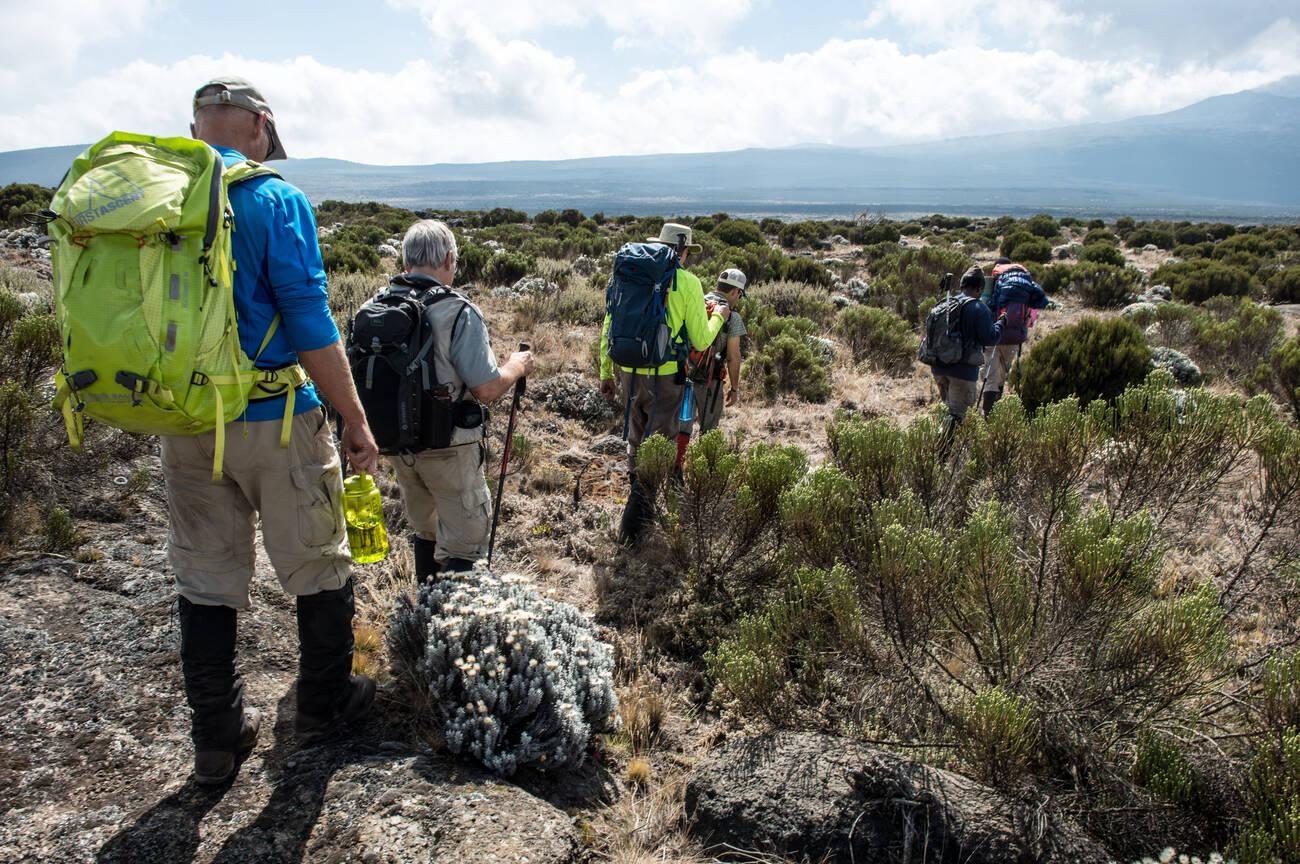
Who Should Choose 7 Days?

The 7 day vs 9 day Kilimanjaro trek comparison shows that the 7 day option is best for experienced hikers or very fit beginners. It is ideal for travelers who are confident in their endurance, can handle several consecutive days of trekking, and are comfortable with a faster ascent. Those who maintain an active lifestyle and have prepared well before the climb are generally better suited for this itinerary.

If you have previous high-altitude trekking experience, this itinerary may work for you. However, beginners may find it more challenging because the body has less time to adjust to the increasing elevation. Even physically strong climbers can experience altitude sickness, so following your guide’s pace, staying hydrated, eating well, and monitoring your health remain essential throughout the expedition.

Time and budget constraints are also reasons why people choose this option. A shorter itinerary usually requires fewer days away from work or family commitments and can reduce the overall cost of accommodation, park fees, and guiding services. For many travelers, the 7-day trek provides an excellent balance between affordability and the opportunity to reach the summit within a limited schedule.

Although the 7 day Kilimanjaro trek offers a rewarding adventure, it is important to choose this itinerary for the right reasons rather than simply to save time. Assess your fitness level, trekking experience, and personal comfort with high-altitude environments before making your decision. If you are well-prepared and committed to the challenge, the 7-day itinerary can be a successful and memorable way to climb Mount Kilimanjaro.

Overview of the 9 Day Kilimanjaro Trek

7 day vs 9 day Kilimanjaro trek

Slower and More Comfortable

In a 7 day vs 9 day Kilimanjaro trek, the 9 day itinerary is often considered the better choice for most people. It is designed to provide a more gradual ascent, allowing trekkers to enjoy the journey while reducing the physical stress associated with climbing to high altitude. Many experienced guides recommend this itinerary because it offers an excellent balance between adventure, safety, and overall trekking comfort.

This option allows for a slower ascent, giving your body more time to adjust to altitude. It includes extra acclimatization days that help improve oxygen adaptation and reduce the risk of altitude sickness. These additional days often involve shorter hiking distances or acclimatization walks, allowing trekkers to recover before continuing to higher camps with greater confidence and energy.

A longer trek means less pressure on your body and a more enjoyable experience. Instead of rushing between camps, you have more time to appreciate Kilimanjaro’s changing landscapes, including rainforest, moorland, alpine desert, and the spectacular summit zone. The slower pace also gives you more opportunities to rest, take photographs, and fully experience the beauty of Africa’s highest mountain.

Many climbers choose the 9 day Kilimanjaro trek because it offers one of the highest summit success rates among standard itineraries. Although it requires additional time and a slightly larger budget, the improved acclimatization, increased comfort, and greater likelihood of reaching Uhuru Peak make it a worthwhile investment for many travelers seeking a safe and memorable climbing experience.

Who Should Choose 9 Days?

The 7 day vs 9 day Kilimanjaro trek comparison clearly favors beginners when it comes to the 9-day option. It is ideal for first-time trekkers, older climbers, families with suitable fitness levels, and anyone who prefers a gradual approach to high-altitude hiking. The extended itinerary allows participants to build confidence each day while adapting naturally to the mountain environment.

If this is your first time climbing a high mountain, the extra days can make a big difference. The slower pace provides more opportunities for your body to acclimatize, reducing fatigue and making each day’s hike feel more manageable. Many first-time climbers find they enjoy the experience more because they can focus on the scenery and the adventure rather than constantly pushing through physical exhaustion.

Travelers who want a relaxed pace and better comfort should consider this option. The additional acclimatization days create a more balanced trekking schedule with less daily pressure, allowing for better recovery between camps. This approach also gives guides more flexibility to monitor each climber’s health and respond quickly if anyone develops symptoms related to altitude.

For anyone whose primary goal is reaching the summit safely and comfortably, the 9 day Kilimanjaro trek is often the recommended choice. The combination of improved acclimatization, higher summit success rates, reduced physical strain, and a more enjoyable overall experience makes this itinerary an excellent option for climbers of all ages and experience levels, especially those attempting Mount Kilimanjaro for the first time.

Mount Kilimanjaro – Rongai Route (7 Days / 6 Nights)

Mount Kilimanjaro Trek – Machame Route (7 Days / 6 Nights)

Mount Kilimanjaro – Marangu Route (6 Days / 5 Nights)

Mount Kilimanjaro – Lemosho Route (8 Days / 7 Nights)

Acclimatization: The Key Difference between 7 day vs 9 day Kilimanjaro trek

The biggest difference in a 7 day vs 9 day Kilimanjaro trek is acclimatization. Altitude sickness is the main reason climbers fail to reach the summit, regardless of their age or physical fitness. Because the oxygen level decreases significantly as you climb higher, your body must gradually adapt to these conditions to function effectively and safely throughout the expedition.

A 9 day Kilimanjaro trek gives your body more time to adapt. The additional acclimatization days allow your body to adjust naturally to lower oxygen levels, improving breathing efficiency and reducing the likelihood of altitude-related symptoms. Guides often follow the “climb high, sleep low” principle during these extra days, which helps increase the body’s ability to cope with higher elevations before the final summit push.

In contrast, a 7 day vs 9 day Kilimanjaro trek comparison shows that shorter trips increase the risk because of faster ascent. With fewer days available, climbers gain altitude more quickly, giving the body less time to acclimatize. This faster schedule can lead to headaches, nausea, fatigue, dizziness, or other symptoms that may prevent trekkers from continuing safely toward the summit.

For this reason, acclimatization should be one of the most important factors when choosing your itinerary. A longer trek not only improves comfort but also increases summit success rates by allowing your body to adapt gradually. Whether you choose a 7-day or 9-day Kilimanjaro trek, following your guide’s pace, staying hydrated, eating nutritious meals, and listening to your body are essential for a safe and successful climb.

Success Rate Comparison between 7 day vs 9 day Kilimanjaro trek

Success rates are an important factor when choosing a 7 day vs 9 day Kilimanjaro trek. Reaching Uhuru Peak depends on more than physical fitness, as proper acclimatization, pacing, and overall health during the climb all play significant roles. Understanding how trek duration influences summit success can help you choose an itinerary that matches your experience level and improves your chances of achieving your goal.

Trekkers on 9 day itineraries generally have higher success rates. This is because of better acclimatization and lower fatigue throughout the expedition. The additional days allow climbers to adapt more gradually to the increasing altitude, recover more effectively between hiking days, and approach summit night with greater energy and confidence than those following shorter schedules.

The 7 day vs 9 day Kilimanjaro trek analysis shows that shorter trips have lower success rates, especially for beginners. A faster ascent gives the body less time to adjust to thinner air, increasing the likelihood of altitude sickness and exhaustion. Even climbers in excellent physical condition may struggle if they ascend too quickly without sufficient time for acclimatization.

Although a 7 day Kilimanjaro trek can still lead to a successful summit, choosing the right itinerary based on your fitness, trekking experience, and personal goals is essential. For most first-time climbers, a 9-day itinerary offers the highest probability of reaching the summit safely while providing a more comfortable and enjoyable trekking experience from start to finish.

Cost Differences between 7 day vs 9 day Kilimanjaro trek

Cost is another factor in the 7 day vs 9 day Kilimanjaro trek decision. A longer trek usually costs more because it requires additional days of guiding, accommodation on the mountain, and logistical support. While price is an important consideration for many travelers, it should be balanced with factors such as safety, comfort, and the likelihood of reaching the summit successfully.

This is because you spend more days on the mountain, which increases guide fees, park fees, camping expenses, porter wages, meals, and other operational costs. Every extra day requires additional resources to support the trekking team and ensure climbers have everything they need throughout the expedition. As a result, 9-day itineraries are typically more expensive than shorter alternatives.

However, when comparing a 7 day vs 9 day Kilimanjaro trek, the higher success rate of the 9-day option may make it a better investment. Spending slightly more on a longer itinerary can reduce the risk of altitude sickness and improve your chances of standing on Uhuru Peak. For many climbers, reaching the summit on the first attempt is worth the additional expense.

Rather than focusing only on the initial price, consider the overall value of each itinerary. A successful climb depends on proper acclimatization, experienced guides, and a schedule that suits your fitness level. Choosing the 7 day vs 9 day Kilimanjaro trek should involve evaluating both the financial cost and the benefits of increased comfort, improved safety, and a greater chance of completing your once-in-a-lifetime adventure.

Experience on the Mountain between 7 day vs 9 day Kilimanjaro trek

Your overall experience differs in a 7 day vs 9 day Kilimanjaro trek. While both itineraries take you through Kilimanjaro’s incredible landscapes, the pace of the journey greatly influences how you experience the mountain. Trek duration affects your energy levels, daily comfort, opportunities for sightseeing, and the amount of time you have to fully appreciate each stage of the climb.

With 9 days, you have more time to enjoy the scenery, take photos, and rest. The journey feels less rushed because daily hiking distances are often more manageable, allowing you to appreciate the rainforest, moorland, alpine desert, and glaciers at a relaxed pace. Extra acclimatization days also provide valuable opportunities to recover, interact with your guides and fellow trekkers, and enjoy the unique mountain environment.

In contrast, the 7 day vs 9 day Kilimanjaro trek comparison shows that shorter trips are more focused on reaching the summit quickly. Climbers typically spend longer hours hiking each day and have fewer opportunities for extended breaks or leisurely exploration. Although the experience remains exciting and rewarding, the faster schedule can make the trek feel more physically demanding and leave less time to fully enjoy the surroundings.

Ultimately, the best experience depends on your personal preferences and travel goals. If you value a relaxed adventure with greater comfort and time to absorb the beauty of Mount Kilimanjaro, the 9-day itinerary is often the better choice. If your priority is completing the climb within a limited schedule while embracing a more challenging pace, the 7 day trek can still provide an unforgettable and highly rewarding mountain experience.

Which Option Is Best for You?

Choosing between a 7 day vs 9 day Kilimanjaro trek depends on your fitness, experience, and personal goals. There is no single itinerary that is perfect for everyone, as each climber has different expectations, travel schedules, budgets, and levels of hiking experience. Taking these factors into account will help you select the option that provides the best balance of comfort, safety, and summit success.

If you are fit, experienced, and short on time, the 7 day trek may suit you. However, it comes with higher risk because the faster ascent gives your body less time to acclimatize to the altitude. This itinerary is generally better suited to climbers who have previous trekking experience, maintain excellent physical fitness, and are confident in their ability to handle a more demanding schedule.

For most people, especially beginners, the 9 day option is the safer and more enjoyable choice. The additional acclimatization days reduce physical stress, improve comfort throughout the climb, and significantly increase the chances of reaching Uhuru Peak. A slower pace also allows trekkers to appreciate Kilimanjaro’s diverse landscapes while maintaining better energy levels for the demanding summit attempt.

Ultimately, the best 7 day vs 9 day Kilimanjaro trek is the one that matches your abilities and priorities. If your main objective is maximizing your summit success while enjoying a relaxed and comfortable adventure, the 9 day itinerary is the recommended option. If your schedule is limited and you are well-prepared for a faster ascent, the 7 day trek can still provide an exciting and unforgettable Mount Kilimanjaro experience.

Tips for Choosing the Right Itinerary

When deciding on a 7 day vs 9 day Kilimanjaro trek, consider your fitness level and trekking experience. Your physical endurance, previous hiking background, and ability to handle long consecutive trekking days all play a major role in determining which itinerary will feel more comfortable and successful for you on the mountain.

Think about how your body handles altitude. If you are unsure, it is better to choose a longer itinerary because slower ascents give your body more time to adapt to reduced oxygen levels. Many climbers underestimate how altitude affects energy, sleep quality, and recovery, so choosing extra days can significantly improve both safety and overall enjoyment of the climb.

Always prioritize safety over saving time. A successful summit is worth the extra days, and choosing a well-paced itinerary can greatly reduce the risk of altitude sickness and exhaustion. Even though shorter treks may seem more convenient, a carefully planned climb with proper acclimatization often leads to a more rewarding and memorable experience on Mount Kilimanjaro.

Ultimately, the 7 day vs 9 day Kilimanjaro trek decision should be based on preparation, not convenience. If your goal is to increase your chances of reaching Uhuru Peak while enjoying the journey in a healthier and more controlled way, the 9 day option is usually the smarter choice.

FAQs — 7 Day vs 9 Day Kilimanjaro Trek: Which Itinerary Is Best for You?

What is the main difference between a 7 day and 9 day Kilimanjaro trek?

The main difference is acclimatization time. A 9 day trek allows your body more time to adjust to altitude, while a 7-day trek is shorter and more physically demanding with a higher risk of altitude-related challenges.

In most cases, yes. A 9 day itinerary is generally better because it provides better acclimatization, lower fatigue, and higher summit success rates, making it ideal for beginners or first time high altitude trekkers

Yes, beginners can do a 7-day trek, but it is more challenging. Proper fitness, mental preparation, and a strong ability to adapt to altitude are required. Many experts still recommend longer routes for first-time climbers.

A 9-day trek gives your body extra time to adapt to lower oxygen levels. This reduces the risk of altitude sickness, improves energy levels, and increases the likelihood of reaching Uhuru Peak successfully.

Yes. A 7-day trek is more physically and physiologically demanding because of faster altitude gain and shorter recovery time. Climbers may experience more fatigue and a higher chance of altitude symptoms

Routes like Machame, Lemosho, and Rongai offer both 7-day and extended 8–9 day variations. The longer versions include extra acclimatization days or alternate descent routes for a safer climb.

A 7-day trek is best for experienced hikers, fit individuals with prior altitude experience, or travelers with limited time who are comfortable with a more intense climbing schedule.

A 9 day trek is ideal for beginners, older trekkers, or anyone prioritizing safety and summit success. It offers a slower pace and significantly improves your chances of reaching the top.

Yes. A 9-day trek usually costs more than a 7-day trek because of additional park fees, guide and porter wages, food, and camping nights. However, the improved success rate often makes it better value.

For most climbers, the 9 day itinerary is the best overall choice because it balances safety, comfort, and summit success. A 7 day trek is only recommended if you are very fit, well-prepared, and comfortable with faster altitude gain.

Plan your Trip

Ready to start planning your own incredible adventure?
We make the process stress-free and enjoyable.