
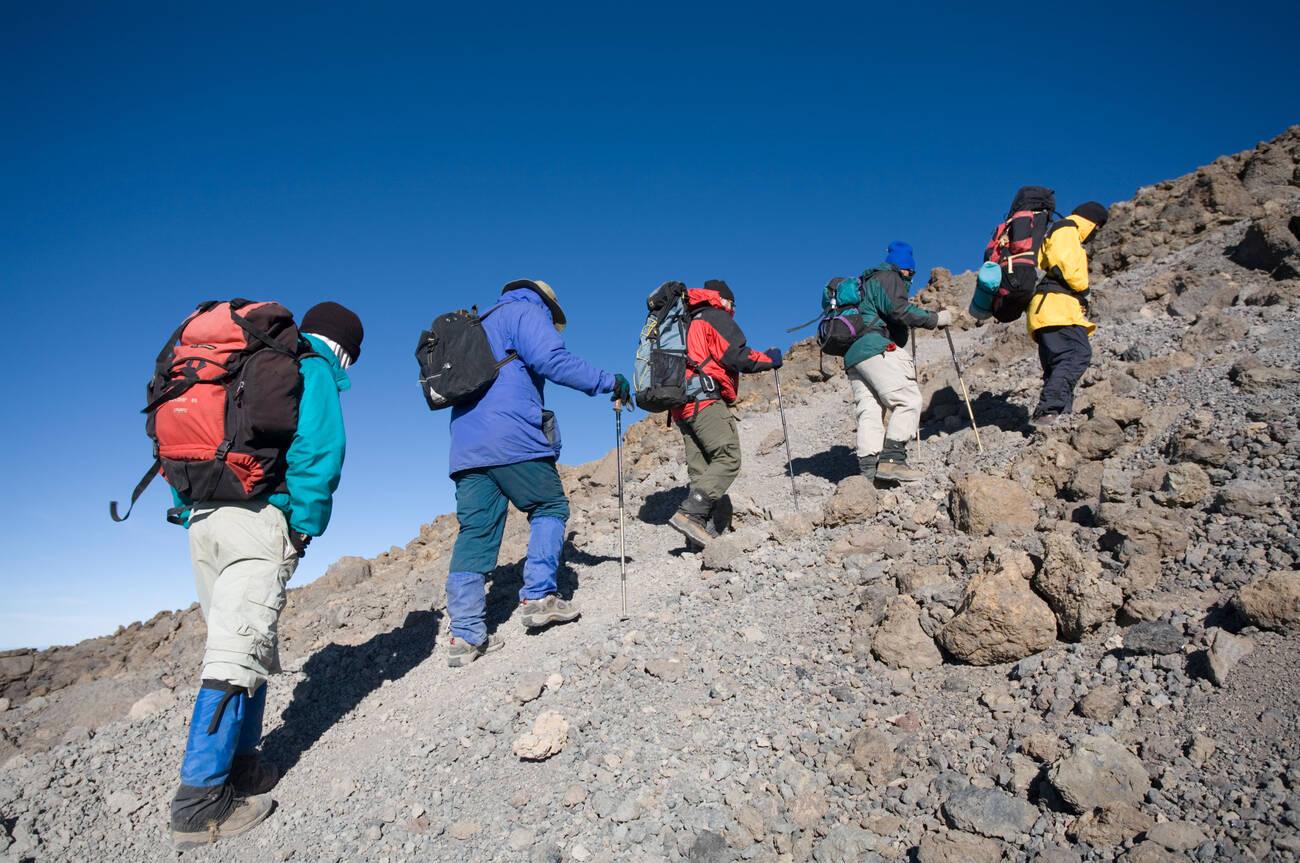
Mount Kilimanjaro Trekking Guide: Routes and Expert Tips
Climbing Mount Kilimanjaro is one of the most exciting adventures in Africa. It is the highest mountain on the continent and attracts thousands of trekkers every year from around the world. If you are planning your climb, this Mount Kilimanjaro trekking guide will help you understand everything you need before setting out. It covers essential information to help you prepare for a safe, enjoyable, and unforgettable mountain experience while increasing your chances of reaching Uhuru Peak successfully.
From choosing the right route to preparing your body and mind, every step matters throughout the journey. This Mount Kilimanjaro trekking guide is designed to make your adventure easier, safer, and more successful from start to finish. Whether you are a beginner or an experienced hiker, proper planning, quality equipment, and gradual acclimatization are essential factors that can greatly improve your comfort, confidence, and summit success during the climb.
In this guide, you will learn about the best routes, expert trekking tips, and what to expect during each stage of your climb. You will also discover useful information about weather conditions, altitude challenges, daily hiking distances, accommodation options, and recommended packing essentials. Understanding these important details before your adventure will help you make informed decisions and enjoy every moment of your Mount Kilimanjaro experience with greater confidence.
Whether your goal is a personal achievement, a lifelong dream, or an unforgettable African adventure, good preparation makes all the difference. This Mount Kilimanjaro trekking guide brings together practical advice, planning recommendations, and valuable insights to support your journey from beginning to end. Let’s begin your journey to the Roof of Africa and take the first step toward standing on Africa’s highest summit with confidence.
Why Climb Mount Kilimanjaro?
Mount Kilimanjaro stands at 5,895 meters above sea level, making it the highest mountain in Africa and the tallest free-standing mountain in the world. It is one of the few mountains that you can climb without technical climbing skills or mountaineering experience. This unique feature makes it a popular destination for adventure lovers from every corner of the globe who dream of standing on the famous Uhuru Peak.
This Mount Kilimanjaro trekking guide helps you understand why this mountain is considered one of the world’s greatest trekking destinations. During your climb, you will pass through lush rainforests filled with wildlife, open moorlands, rocky alpine deserts, and stunning glaciers near the summit. Each day introduces a completely different landscape, creating a journey that feels like traveling through several climate zones in a single expedition.
Every route on Mount Kilimanjaro offers its own unique scenery, challenges, and unforgettable moments along the way. As you gain altitude, you will witness spectacular sunrises, breathtaking panoramic views, and changing vegetation that reflects the mountain’s incredible ecological diversity. This Mount Kilimanjaro trekking guide explains what to expect in each environment so you can prepare for every stage of your adventure with confidence.
Climbing Kilimanjaro is not just about reaching the summit. It is also about personal achievement, connecting with nature, and creating unforgettable memories that last a lifetime. The friendships formed with fellow trekkers and local guides, the challenge of overcoming altitude, and the rewarding feeling of standing on Africa’s highest peak make this journey one of the most inspiring adventures you can experience.
Best Time to Climb Kilimanjaro
Choosing the right time is very important for a successful climb. According to this Mount Kilimanjaro trekking guide weather conditions play a major role in your overall trekking experience, visibility, and summit success. Selecting the best season helps you enjoy safer trails, better mountain views, and a more comfortable journey while reducing the chances of weather-related challenges during your adventure.
Dry Seasons
January to March
June to October
These months offer clear skies, better trail conditions, and excellent visibility for photography and wildlife viewing on the lower slopes. The weather is generally more stable, making trekking safer and more enjoyable for most climbers. However, these seasons are also the busiest because thousands of trekkers from around the world choose this period for their Mount Kilimanjaro adventure, so campsites and popular routes can be more crowded.
Wet Seasons
April to May
November
Rain makes the trails slippery, muddier, and more challenging, especially in the rainforest zone where heavy showers are common. Cloud cover may also reduce visibility, although the mountain remains incredibly beautiful with lush green landscapes. The biggest advantage of climbing during these months is the smaller number of trekkers, allowing for a quieter, more peaceful experience and greater campsite availability on many routes.
This Mount Kilimanjaro trekking guide recommends the dry seasons for beginners because they provide more predictable weather, easier trail conditions, and a higher level of comfort throughout the climb. The rainy seasons are generally better suited to experienced hikers who are comfortable trekking in wet conditions, have appropriate waterproof gear, and are prepared to handle more demanding trail conditions while enjoying fewer crowds.
Kilimanjaro Trekking Routes
Machame Route (Whiskey Route)
The Machame Route is one of the most popular options. It offers beautiful scenery and good acclimatization.
- Duration: 6–7 days
- Difficulty: Moderate to challenging
- Success rate: High
This Mount Kilimanjaro trekking guide recommends this route for those who want a balance of adventure and success.
Marangu Route (Coca-Cola Route)
This is the only route with hut accommodation instead of tents. It is considered the easiest path.
- Duration: 5–6 days
- Difficulty: Moderate
- Success rate: Lower due to short duration
According to this Mount Kilimanjaro trekking guide this route is suitable for beginners but may not give enough time to adjust to altitude.
Lemosho Route
The Lemosho Route is one of the most scenic routes. It offers a longer trek and better acclimatization.
- Duration: 7–8 days
- Difficulty: Moderate
- Success rate: Very high
This Mount Kilimanjaro trekking guide 2027–2028 highly recommends Lemosho for first-time climbers who want the best chance of reaching the summit.
Rongai Route
This route approaches the mountain from the north. It is less crowded and quieter.
- Duration: 6–7 days
- Difficulty: Moderate
- Success rate: Good
The Mount Kilimanjaro trekking guide suggests this route for those who prefer a peaceful experience.
Umbwe Route
This is the most challenging route. It is steep and requires good fitness.
- Duration: 5–6 days
- Difficulty: Very difficult
- Success rate: Low
This Mount Kilimanjaro trekking guide only recommends Umbwe for experienced trekkers.
Preparation for Kilimanjaro Trekking
Preparation is very important for your climb. Without proper planning, reaching the summit can be difficult, even for people who are generally active. Taking time to prepare your body, organize the right equipment, and understand the challenges ahead will greatly improve your overall trekking experience. This Mount Kilimanjaro trekking guide encourages every climber to begin preparing well before departure for the best possible chance of success.
Physical Fitness
You need to be physically fit. Start training at least 2–3 months before your trek to build endurance and increase your confidence on the mountain. A structured training routine will help your body adapt to long hiking days, steep ascents, and changing terrain while reducing fatigue and lowering the risk of injuries during the climb.
Hiking practice
Cardio exercises
Strength training
This Mount Kilimanjaro trekking guide emphasizes consistency in training rather than extreme workouts. Aim to exercise several times each week, gradually increasing the duration and intensity of your activities. Regular practice carrying a backpack, walking on uneven trails, and climbing hills or stairs will prepare you for the physical demands of trekking to Africa’s highest summit.
Mental Preparation
Climbing Kilimanjaro is also a mental challenge. You will face cold weather, long walking days, changing temperatures, and the effects of high altitude, especially during the final summit push. Staying patient, maintaining a steady pace, and trusting your guides are essential throughout the journey. This Mount Kilimanjaro trekking guide highlights mental strength, determination, and a positive attitude as key factors that help many climbers successfully reach Uhuru Peak despite the physical and environmental challenges.
Packing Essentials
Packing Essentials
Packing the right equipment is one of the most important parts of preparing for your Kilimanjaro adventure. Weather conditions change dramatically as you gain altitude, so having suitable clothing and reliable gear will keep you comfortable and safe throughout the trek. This Mount Kilimanjaro trekking guide recommends choosing high-quality equipment that performs well in cold, windy, and occasionally wet mountain conditions without adding unnecessary weight.
Here are important items you need:
Warm clothing
Waterproof jacket
Hiking boots
Sleeping bag
Headlamp
In addition to these essentials, many trekkers also carry warm gloves, thermal base layers, trekking poles, sunglasses, sunscreen, a reusable water bottle or hydration system, extra socks, and a small personal first-aid kit. These items improve comfort during the climb and help you stay prepared for changing temperatures and long hiking days. Organizing your gear before departure ensures you have everything you need without forgetting important equipment.
The Mount Kilimanjaro trekking guide recommends packing light but smart by bringing only essential items while ensuring nothing important is left behind. A well-packed bag makes hiking easier, reduces unnecessary strain on your body, and allows you to enjoy the journey more comfortably. Before your trek, review your packing checklist carefully and test your equipment to make sure everything fits properly and is ready for the adventure ahead.
Altitude and Acclimatization

Altitude sickness is the biggest challenge on Kilimanjaro. It happens when your body struggles to adjust to high elevation, where oxygen levels decrease as you climb higher. Although anyone can experience altitude sickness regardless of age or fitness level, understanding the symptoms and following proper acclimatization practices can greatly improve your chances of reaching the summit safely. This Mount Kilimanjaro trekking guide explains why gradual ascent is essential for every climber.
Symptoms
Headache
Nausea
Dizziness
These are some of the most common early signs of altitude sickness, but climbers may also experience fatigue, loss of appetite, difficulty sleeping, or shortness of breath. It is important to report any symptoms to your guide immediately, as early recognition allows your team to respond appropriately. Ignoring symptoms can increase the risk of developing more serious altitude-related illnesses that require descending to a lower elevation.
Prevention Tips
Walk slowly
Drink enough water
Follow your guide’s advice
In addition to these recommendations, eat regular meals, avoid alcohol before and during your trek, and maintain a steady pace throughout the climb. Most experienced guides encourage the principle of “pole pole” (slowly, slowly), which helps your body adapt naturally to increasing altitude. Staying hydrated, resting when necessary, and listening carefully to your guides are among the most effective ways to improve acclimatization and reduce the effects of altitude.
This Mount Kilimanjaro trekking guide strongly recommends choosing longer routes because they provide more time for your body to acclimatize before the final ascent. Routes lasting seven to nine days generally have higher summit success rates than shorter itineraries, as the extra acclimatization days allow climbers to adjust gradually to the changing altitude. Patience, proper pacing, and following your guide’s instructions are the keys to a safer and more successful Kilimanjaro experience.
Expert Tips for a Successful Summit
Reaching Uhuru Peak requires more than physical strength. Success comes from proper preparation, smart decision-making, and following proven trekking practices throughout the climb. Every small step contributes to your overall performance on the mountain, especially as you gain altitude. This Mount Kilimanjaro trekking guide shares practical advice used by experienced guides to help climbers improve their chances of standing on Africa’s highest summit safely and confidently.
Go Pole Pole (Slowly Slowly)
Walking slowly helps your body adjust to altitude and conserves energy for the more demanding sections of the climb. The Swahili phrase “pole pole” means “slowly, slowly,” and it is one of the most important principles for climbing Kilimanjaro. Maintaining a steady pace allows better acclimatization, reduces exhaustion, and increases your chances of reaching the summit successfully.
Stay Hydrated
Drink at least 3–4 liters of water daily to help your body function properly at high altitude. Dehydration can make the symptoms of altitude sickness worse and reduce your overall performance during the trek. Sip water regularly throughout the day rather than waiting until you feel thirsty, and monitor your hydration levels as advised by your guide.
Eat Well
Even if you feel tired or lose your appetite, eat enough food to maintain your energy levels. Your body burns a significant amount of calories during long trekking days and needs proper nutrition to recover and adapt to the altitude. Balanced meals rich in carbohydrates, proteins, and healthy snacks will help keep your strength up throughout the expedition.
Listen to Your Guide
Guides are highly experienced and know the mountain, weather conditions, and altitude challenges very well. They monitor your health, set a safe hiking pace, and make important decisions based on your condition and the environment. Following their instructions carefully is one of the best ways to stay safe and improve your chances of reaching Uhuru Peak.
Choose the Right Route
This Mount Kilimanjaro trekking guide highlights route choice as a major success factor because each route offers different scenery, acclimatization opportunities, and difficulty levels. Selecting a route that matches your fitness level, available time, and trekking experience can significantly improve your summit success rate. Longer routes generally provide better acclimatization, making them an excellent choice for first-time climbers and those aiming for the highest chance of reaching the summit.
What to Expect During the Trek
Each day on Kilimanjaro is different. You will experience changing landscapes and temperatures.
- Day 1–2: Forest and rain
- Day 3–4: Moorland and cooler weather
- Day 5+: Alpine desert and cold nights
Summit night is the hardest part. You will hike in the dark and cold to reach the top.
This Mount Kilimanjaro trekking guide 2027–2028 prepares you for these challenges.
Safety and Responsible Trekking
Safety should always come first.
Follow Park Rules
Respect the environment and wildlife.
Choose Certified Guides
Professional guides ensure your safety.
Travel Insurance
Make sure your insurance covers high-altitude trekking.
This Mount Kilimanjaro trekking guide 2027–2028 encourages responsible tourism.
FAQs — Mount Kilimanjaro Trekking Guide Routes and Expert Tips
Which is the best Mount Kilimanjaro trekking route for beginners?
The Machame and Lemosho routes are among the best options for beginners because they provide gradual altitude gain, beautiful scenery, and excellent acclimatization opportunities. Although they take longer than some routes, they offer higher summit success rates and are suitable for first-time trekkers.
How many trekking routes are available on Mount Kilimanjaro?
There are seven official Mount Kilimanjaro trekking routes:
- Machame Route
- Marangu Route
- Lemosho Route
- Rongai Route
- Northern Circuit Route
- Umbwe Route
- Shira Route
Each route varies in scenery, difficulty, duration, and success rate.
Which Mount Kilimanjaro route has the highest summit success rate?
The Northern Circuit Route generally has the highest summit success rate because it offers the longest itinerary, allowing climbers more time to acclimatize. Lemosho Route also has an excellent success rate due to its gradual ascent.
What is the easiest route to climb Mount Kilimanjaro?
The Marangu Route is often considered the easiest because it follows a gradual trail and provides hut accommodation instead of camping. However, its shorter itinerary may reduce acclimatization time, making altitude sickness more likely.
Which Kilimanjaro route is the most challenging?
The Umbwe Route is widely regarded as the most difficult route because it is steep, physically demanding, and has a rapid altitude gain. It is recommended only for experienced hikers.
What is the most scenic Mount Kilimanjaro trekking route?
Many climbers consider the Lemosho Route the most scenic thanks to its diverse landscapes, rainforest, moorlands, Shira Plateau, and panoramic mountain views. It also offers fewer crowds during the early days of the trek.
How long does it take to trek Mount Kilimanjaro?
Most Mount Kilimanjaro treks take between 5 and 9 days depending on the route selected. Longer routes generally provide better acclimatization and increase the chances of reaching Uhuru Peak successfully.
Which Kilimanjaro route has the fewest crowds?
The Northern Circuit Route and Rongai Route are among the least crowded routes on Mount Kilimanjaro. They provide a quieter trekking experience while still offering spectacular scenery.
Is altitude sickness the biggest challenge when climbing Mount Kilimanjaro?
Yes. Altitude sickness is the most common reason climbers fail to reach the summit. Choosing a longer route, walking slowly, staying hydrated, and following your guide’s advice significantly reduce the risk.
What are the best expert tips for a successful Kilimanjaro trek?
The most important expert tips include:
- Walk slowly (“Pole Pole”)
- Drink plenty of water daily
- Eat enough during the climb
- Choose a longer route
- Train several weeks before your trip
- Pack proper hiking gear
- Listen carefully to your mountain guide
Plan your Trip
Ready to start planning your own incredible adventure?
We make the process stress-free and enjoyable.
