
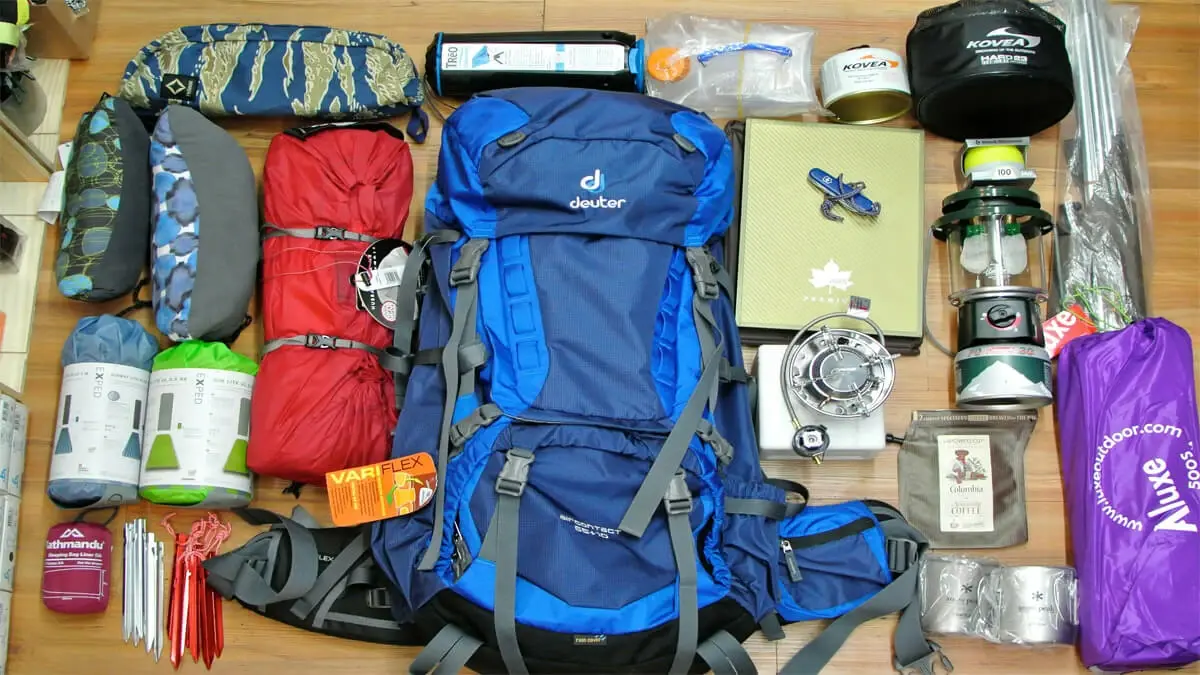
Mount Kilimanjaro Packing List: Essential Gear for a Successful Summit
Climbing Mount Kilimanjaro is a dream for many travelers and adventure lovers. Standing as the highest mountain in Africa, it offers a unique trekking experience through different climate zones, from rainforest to alpine desert and icy summit conditions. However, your success depends heavily on preparation and having the right gear.
A well planned Mount Kilimanjaro packing list ensures comfort, safety, and a higher chance of reaching the summit during changing mountain conditions. Many climbers fail not because of fitness but because they lack proper equipment, layering systems, or weather protection. This guide helps prepare everything needed for a successful trek journey.
In this detailed Mount Kilimanjaro packing list, you will learn about essential clothing, gear, and personal items required for high-altitude trekking. The goal is to keep you warm, dry, and comfortable throughout your journey in changing weather conditions, ensuring proper layering, protection, and readiness for cold summit environments ahead preparation.
In addition, a complete packing list helps trekkers avoid unnecessary risks, manage altitude changes, and stay organized during the climb. It ensures every climber is well prepared for unpredictable weather, long trekking days, and varying terrains, improving overall experience and increasing chances of reaching Uhuru Peak successfully at summit goal.
Why a Proper Mount Kilimanjaro Packing List Matters

Preparing a complete Mount Kilimanjaro packing list is one of the most important steps before your trip. Weather conditions on the mountain can change quickly, shifting from hot and humid rainforest zones at the base to freezing cold and windy alpine environments near the summit. This dramatic variation makes preparation essential for every trekker.
Having the right gear helps you adapt to these changes easily and stay comfortable throughout each stage of the climb. It also reduces the risk of altitude sickness, discomfort, dehydration, and fatigue caused by poor clothing choices or missing essentials. Proper insulation and layering systems play a major role in maintaining body temperature.
A smart Mount Kilimanjaro packing list ensures that you carry only what you need without overpacking unnecessary items that add extra weight. Every item should serve a purpose, especially when dealing with long trekking days and limited space in your backpack. Efficient packing improves endurance and overall climbing performance.
In addition, being well-prepared gives you confidence and peace of mind during the journey. It allows you to focus on the experience rather than worrying about missing equipment or sudden weather shifts. A carefully planned packing list ultimately increases your chances of reaching Uhuru Peak safely and successfully.
Clothing Essentials for Kilimanjaro
Base Layers
Base layers are the foundation of your clothing system. They keep your body dry by wicking sweat away from your skin.
Include moisture-wicking shirts and thermal tops in your Mount Kilimanjaro packing list. Avoid cotton because it retains moisture and can make you cold. This is essential.
Insulation Layers
As you climb higher, temperatures drop significantly. Insulation layers like fleece jackets and down jackets are necessary.
Your Mount Kilimanjaro packing list should include at least one warm jacket. This will help you stay warm during cold nights and summit attempts. They improve thermal protection in extreme cold conditions.
Outer Layers
A waterproof and windproof jacket is essential. Weather on Kilimanjaro can be unpredictable, and rain or strong winds are common.
Make sure your Mount Kilimanjaro packing list includes a high-quality outer shell. This protects you from harsh conditions. It also prevents hypothermia and maintains body heat effectively overall.
Proper layering system is key for successful Kilimanjaro trekking. Each layer works together to regulate temperature, manage moisture, and protect against wind and rain. Trekkers should combine base, insulation, and outer layers efficiently to adapt quickly to changing conditions during ascent and summit night for safety and comfort overall conditions.
Trekking Gear for Mount Kilimanjaro Packing list
Backpack
A good backpack is essential for carrying your daily items. Choose a comfortable and durable bag with proper support and adjustable straps to reduce strain on long hikes. Your Mount Kilimanjaro packing list should include a daypack of around 30–40 liters. This is enough for water, snacks, and extra clothing essentials during trekking.
Duffel Bag
A waterproof duffel bag is essential for porters to carry your main luggage safely. It protects your gear from rain, dust, and rough handling during transport. Adding a duffel bag to your Mount Kilimanjaro packing list ensures your clothing and equipment stay dry, organized, and secure throughout the trek journey.
Trekking Poles
Trekking poles help reduce strain on your knees and improve balance, especially on steep or rocky sections of Kilimanjaro trails. They provide stability during ascent and descent. Including poles in your Mount Kilimanjaro packing list can make your hike more comfortable, safer, and significantly less tiring over long trekking days.
Additional Gear
Additional trekking gear such as headlamps, gloves, hats, and hydration systems also play an important role in your climb. A reliable water bottle or hydration bladder keeps you hydrated at altitude. Including these items in your Mount Kilimanjaro packing list improves safety, visibility, and comfort throughout challenging mountain conditions overall.
Footwear and Sleeping Gear for Mount kilimanjaro
Footwear
Hiking boots are one of the most important items for climbing Mount Kilimanjaro. They must be waterproof, supportive, and properly broken-in before the trek begins to avoid discomfort. Your Mount Kilimanjaro packing list must include high-quality boots to prevent blisters, foot pain, and injuries during long trekking days on rough terrain.
Socks
Socks play a major role in keeping your feet warm, dry, and protected throughout the climb. You should carry several pairs of warm, moisture-wicking socks, with wool socks being the most recommended due to their insulation properties. A proper Mount Kilimanjaro packing list always includes extra socks for changing during the trek.
Sleeping Bag
Temperatures on Mount Kilimanjaro can drop well below freezing, especially at higher camps and during summit night. A high-quality sleeping bag is essential for survival and comfort. Your Mount Kilimanjaro packing list should include a sleeping bag rated for at least -10°C to ensure warmth, safety, and proper rest each night.
Sleeping Pad
A sleeping pad is an important but often overlooked item for mountain trekking. It provides insulation from the cold ground and adds extra comfort after long hiking days. Including a sleeping pad in your Mount Kilimanjaro packing list significantly improves sleep quality, helping your body recover and prepare for the next stage.
Hydration,Nutrition & Personal items for Mount Kilimanjaro Packing List
Hydration and Nutrition
Water Bottles or Hydration System
Staying hydrated is extremely important at high altitude because your body loses water faster through breathing and physical exertion. Dehydration can increase fatigue and worsen altitude effects. Your Mount Kilimanjaro packing list should include reusable water bottles or a hydration bladder to ensure consistent water intake throughout the trekking day.
In addition, it is recommended to carry insulated bottles to prevent water from freezing in colder zones of the mountain. Proper hydration habits, such as drinking small amounts frequently, help maintain energy levels and improve acclimatization. A well-prepared Mount Kilimanjaro packing list always prioritizes reliable water storage solutions for safety and performance.
Snacks
Energy snacks are essential for maintaining stamina during long trekking days that can last several hours. Lightweight and nutrient-dense options such as energy bars, nuts, dried fruits, and chocolates provide quick fuel for your body. Including snacks in your Mount Kilimanjaro packing list ensures steady energy release and reduced fatigue.
Frequent snacking helps regulate blood sugar levels and keeps your motivation high during steep climbs. Since appetite can decrease at high altitude, having familiar and easy-to-eat foods becomes very important. A smart Mount Kilimanjaro packing list always balances hydration with proper nutrition for sustained trekking endurance.
Personal Items
Toiletries
Basic toiletries are necessary for maintaining hygiene during the trek, even in remote mountain conditions. Items like toothbrush, toothpaste, biodegradable soap, and wet wipes should be packed in compact travel sizes to save space. A smart Mount Kilimanjaro packing list focuses only on essential hygiene products to reduce unnecessary weight.
Good hygiene practices help prevent infections and improve comfort during multi-day trekking. Wet wipes are especially useful when water is limited at higher camps. A well-organized Mount Kilimanjaro packing list ensures cleanliness while still prioritizing lightweight and practical items suitable for high-altitude expeditions.
Sunscreen and Lip Balm
At high altitude, UV radiation is significantly stronger, increasing the risk of sunburn even in cold conditions. High SPF sunscreen is essential for protecting exposed skin such as the face, neck, and hands. Your Mount Kilimanjaro packing list must include sun protection to prevent skin damage during long trekking hours.
Lip balm is equally important because dry mountain air can cause severe lip cracking and discomfort. Using SPF-infused lip balm adds extra protection against sun exposure and dehydration effects. A complete Mount Kilimanjaro packing list always includes skin protection items to ensure overall comfort and health on the mountain.
Safety and Health Items: Very important Mount Kilimanjaro packing list
Safety and Health Items
First Aid Kit
A compact first aid kit is an essential part of preparing for high-altitude trekking on Mount Kilimanjaro. It should include basic medical supplies such as adhesive bandages, antiseptic wipes, gauze, pain relievers, and blister treatment materials. These items help you manage minor injuries and discomfort during the climb.
Adding a first aid kit to your Mount Kilimanjaro packing list ensures you can respond quickly to common trekking issues like cuts, headaches, muscle soreness, or blisters caused by long hiking hours. Quick treatment prevents small problems from becoming serious and helps maintain your overall trekking performance.
In addition, having a first aid kit gives you peace of mind while navigating remote mountain environments where medical facilities are not easily accessible. A well prepared Mount Kilimanjaro packing list always includes emergency health supplies to improve safety, confidence, and readiness throughout the entire expedition experience.
Medications
Personal medications are extremely important when climbing Mount Kilimanjaro, especially for individuals with existing health conditions. You should carry all prescribed medicines in sufficient quantities to last the entire trek, along with a few extra days in case of delays. Consulting your doctor before travel is strongly recommended.
A complete Mount Kilimanjaro packing list always takes personal health into consideration, including altitude sickness medication if advised by a medical professional. Common medications may also include anti-inflammatory drugs, allergy tablets, and digestive aids to handle changes in diet and environment during the trek journey.
Proper organization of medications ensures easy access when needed and prevents interruptions during trekking days. Keeping them in waterproof and clearly labeled containers adds extra safety. A well planned Mount Kilimanjaro packing list prioritizes health readiness, ensuring climbers stay safe, stable, and physically prepared throughout the challenging ascent.
Electronics and Accessories
Headlamp
A headlamp is one of the most important electronic items for climbing Mount Kilimanjaro, especially during early morning starts and the challenging summit night ascent. It provides hands-free lighting, allowing you to safely navigate dark, rocky, and steep trails while keeping your hands free for trekking poles and balance.
Your Mount Kilimanjaro packing list should always include a reliable headlamp with strong brightness and long battery life. It is also essential to carry extra batteries or a backup headlamp in case of failure. Good visibility at night significantly improves safety, confidence, and pace during the final push to the summit.
Power Bank
Since charging facilities are extremely limited or unavailable on most parts of the mountain, a power bank becomes a crucial accessory for keeping your devices functional. It allows you to charge your phone, camera, or GPS device when needed throughout the trek.
Including a high-capacity power bank in your Mount Kilimanjaro packing list ensures you remain connected, can capture important memories, and access emergency communication if required. Choosing a durable and weather-resistant model adds extra reliability in cold and high-altitude conditions where battery performance tends to drop quickly.
Tips for Mount Kilimanjaro Packing list Smart
Packing smart is just as important as packing the right items when preparing for a Mount Kilimanjaro trek. Since you will be carrying limited personal gear while porters handle the main load, every item in your bag should be carefully selected to balance weight, comfort, and functionality during long trekking days.
A well-prepared Mount Kilimanjaro packing list helps you avoid unnecessary items that only add extra weight and reduce your hiking efficiency. Overpacking can slow you down, increase fatigue, and make it harder to adjust quickly to changing weather conditions on the mountain. Smart packing focuses only on essential, multi-purpose gear.
Focus on quality over quantity to ensure comfort, durability, and performance throughout the climb. High-quality gear such as waterproof jackets, reliable boots, and insulated layers performs better under extreme conditions and lasts longer. A disciplined Mount Kilimanjaro packing list improves your overall trekking experience and increases your chances of reaching the summit successfully.
FAQs — Mount Kilimanjaro Packing List: Essential Gear for a Successful Summit
What is the most important gear for climbing Mount Kilimanjaro?
The most important gear includes proper hiking boots, layered clothing, a warm down jacket, a sleeping bag rated for sub-zero temperatures, and trekking poles. These essentials help you stay warm, safe, and comfortable in extreme mountain conditions.
What clothing should I pack for Mount Kilimanjaro?
You should pack a layering system consisting of moisture wicking base layers, insulating mid-layers (fleece or down), and a waterproof outer shell. This system allows you to adapt to changing temperatures from rainforest heat to freezing summit conditions.
Do I need special boots for Kilimanjaro trekking?
Yes. You need sturdy, waterproof, and well broken in hiking boots with strong ankle support. Avoid new boots on the trek to prevent blisters and discomfort during long daily hikes.
How warm should my sleeping bag be for Mount Kilimanjaro?
A sleeping bag rated to at least -10°C to -20°C (14°F to -4°F) is recommended. Nights at higher camps can be extremely cold, especially near the summit zone.
Are trekking poles necessary for Kilimanjaro?
Trekking poles are highly recommended because they improve balance, reduce pressure on knees, and help with steep ascents and descents. Many climbers find them essential for long trekking days.
What backpack size is best for Kilimanjaro?
A 30–40 liter daypack is ideal for carrying essentials like water, snacks, camera gear, and extra clothing layers. Your main luggage will be carried by porters in a duffel bag.
What personal items should I not forget for Kilimanjaro?
Important personal items include sunscreen, lip balm with SPF, sunglasses, a headlamp with extra batteries, personal medications, toiletries, and hand sanitizer. These small items greatly improve comfort and hygiene.
Do I need waterproof gear for Kilimanjaro?
Yes. Waterproof gear is essential because weather can change quickly. A rain jacket, waterproof pants, and a rain cover for your backpack will protect you from rain in lower forest zones and snow at higher altitudes.
Can I rent Kilimanjaro trekking gear instead of buying it?
Yes. Many trekking companies in Tanzania offer rental equipment such as jackets, sleeping bags, and trekking poles. Renting is a good option for beginners or those who do not want to invest in expensive gear.
What is the best way to pack for Mount Kilimanjaro?
Pack light but smart. Use a duffel bag for porters and a small daypack for daily essentials. Organize your gear into waterproof dry bags to keep everything protected from rain and dust during the trek.
Plan your Trip
Ready to start planning your own incredible adventure?
We make the process stress-free and enjoyable.