
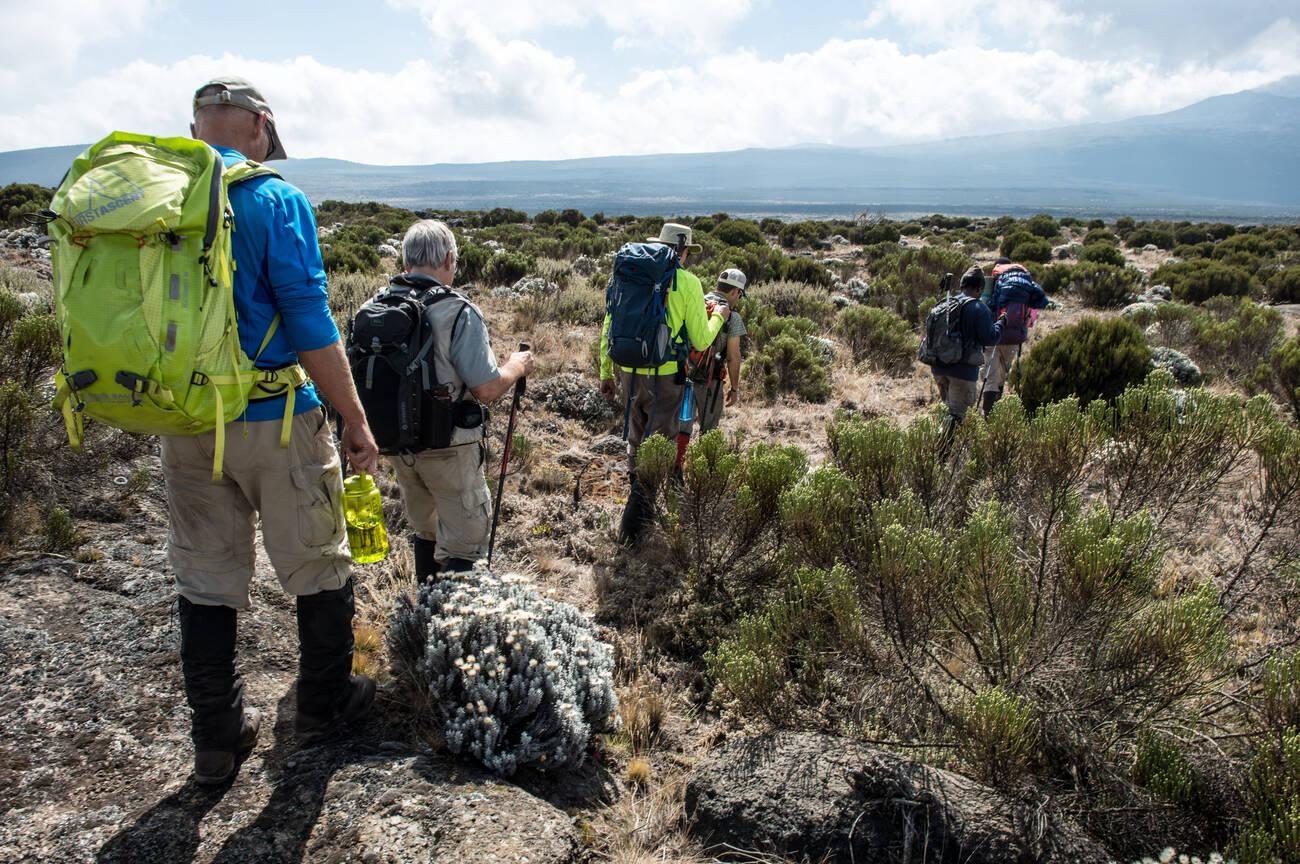
How to Climb Mount Kilimanjaro: Complete Beginner’s Trekking Guide
Climbing Africa’s highest mountain is a dream for many travelers seeking adventure, breathtaking scenery, and a rewarding personal achievement. If you are new to trekking, this guide on how to climb Mount Kilimanjaro will help you understand every stage of the journey step by step. Although you do not need technical climbing skills or mountaineering experience, proper preparation, determination, and a positive mindset are essential for a safe and successful climb to Uhuru Peak.
This beginner friendly guide explains how to climb Mount Kilimanjaro safely and successfully by covering the most important aspects of planning your expedition. From choosing the best route and selecting the right travel season to preparing your body, packing essential gear, and understanding altitude, you will find clear, practical, and easy-to-follow advice. With careful planning and the support of experienced guides, even first-time trekkers can confidently work toward reaching the summit.
Learning how to climb Mount Kilimanjaro also means understanding what to expect during each day of the trek. You will hike through diverse landscapes, including lush rainforests, open moorlands, alpine deserts, and icy summit zones, while gradually gaining altitude. Each section of the mountain presents new challenges and spectacular views, making the journey just as memorable as reaching the highest point in Africa.
Understanding how to climb Mount Kilimanjaro will increase your chances of success and make your journey more enjoyable from beginning to end. By training consistently, following your guide’s instructions, maintaining a steady pace, and allowing enough time for acclimatization, you can greatly improve your summit success. Whether your goal is adventure, personal growth, or fulfilling a lifelong dream, proper preparation is the key to an unforgettable Kilimanjaro experience.
Why Kilimanjaro is Perfect for Beginners
Mount Kilimanjaro is one of the few high mountains in the world that does not require ropes, technical climbing skills, or previous mountaineering experience. That makes it an excellent choice for beginners who want to experience a true high-altitude adventure. With the support of professional guides and a well-planned itinerary, thousands of first-time trekkers successfully reach the summit every year while enjoying one of Africa’s most iconic landscapes.
Learning how to climb Mount Kilimanjaro is easier compared to many other famous peaks because the routes are trekking trails rather than technical climbing routes. As you ascend the mountain, you will walk through a variety of climate zones, including lush rainforests, scenic moorlands, alpine deserts, and snow covered summit areas. Each day offers new landscapes, changing temperatures, and unforgettable views that make the journey as rewarding as the destination itself.
One of the reasons many beginners choose Kilimanjaro is that the climb is designed to allow gradual altitude gain over several days. Longer routes provide valuable time for acclimatization, giving your body a better chance to adapt to decreasing oxygen levels. Understanding how to climb Mount Kilimanjaro includes selecting a route that matches your fitness level, following a steady pace, and listening carefully to your guides throughout the expedition.
However, climbing Kilimanjaro is still a serious challenge that should never be underestimated. High altitude, changing weather conditions, and long daily hiking hours require physical preparation, mental determination, and the right equipment. By training before your trek, staying hydrated, and following expert guidance, even beginners can safely enjoy the adventure and significantly improve their chances of standing on the summit of Africa’s highest mountain.
Best Time to Climb Mount Kilimanjaro
Choosing the right season is very important. If you want to learn how to climb Mount Kilimanjaro successfully, timing plays a major role in your overall experience and summit success. Weather conditions affect trail safety, visibility, and comfort throughout the trek. Selecting the best time to climb allows you to enjoy clearer views, more stable weather, and a safer journey while increasing your chances of reaching Uhuru Peak.
Dry Seasons (Best Time)
January to March
June to October
These months offer clear skies, better trekking conditions, and more predictable weather, making them the most popular times to climb Mount Kilimanjaro. Dry trails are easier to walk on, and the excellent visibility provides spectacular views of the surrounding landscapes and nearby peaks. Because these are the busiest climbing seasons, you should book your trek well in advance to secure your preferred route and departure date.
Rainy Seasons
April to May
November
During the rainy seasons, trails can become slippery, muddy, and more challenging, especially in the rainforest zone where rainfall is heaviest. Cloud cover may reduce visibility, but the mountain remains beautifully green and less crowded. Climbers who prefer a quieter experience often choose these months, provided they have suitable waterproof gear and are comfortable trekking in wet conditions.
For beginners, the dry season is the best choice when planning how to climb Mount Kilimanjaro. Stable weather, improved trail conditions, and better visibility make the trek more enjoyable and increase confidence throughout the journey. While Kilimanjaro can be climbed year-round, first-time trekkers generally achieve higher success rates during the dry months because the conditions are more favorable for acclimatization, hiking, and reaching the summit safely.
Choosing the Right Route

Selecting the right route is one of the most important decisions when planning your adventure. Every Kilimanjaro route offers a different combination of scenery, trekking duration, acclimatization opportunities, and difficulty level. Understanding these differences will help you choose the option that best matches your fitness level, available time, and personal preferences. Learning how to climb Mount Kilimanjaro begins with selecting a route that gives you the best chance of enjoying the experience and reaching the summit successfully.
Machame Route
The Machame Route, often called the “Whiskey Route,” is the most popular choice for beginners and experienced trekkers who want a scenic and rewarding journey. It passes through beautiful rainforests, moorlands, alpine deserts, and the spectacular southern slopes before reaching Uhuru Peak. Its gradual ascent profile provides better acclimatization, making it one of the routes with the highest summit success rates.
Duration: 6–7 days
Difficulty: Moderate
Success rate: High
Many people learning how to climb Mount Kilimanjaro choose this route because it offers an excellent balance of breathtaking scenery, good acclimatization, and a realistic challenge. Although some sections are steeper than other routes, the extra time on the mountain helps many trekkers adapt to the altitude and improves their chances of reaching the summit.
Marangu Route
The Marangu Route, also known as the “Coca-Cola Route,” is the only Kilimanjaro route that provides hut accommodation instead of camping, making it a popular choice for climbers seeking additional comfort. The trail follows the same route for both the ascent and descent, offering a more straightforward trekking experience while protecting hikers from rain and cold during overnight stays.
Duration: 5–6 days
Difficulty: Moderate
Good for: Comfort
However, the Marangu Route has lower summit success rates because its shorter itinerary allows less time for acclimatization. Climbers have fewer opportunities to adjust to the increasing altitude, which can make reaching Uhuru Peak more challenging. When deciding how to climb Mount Kilimanjaro, many first-time trekkers choose longer routes such as Machame or Lemosho, as the additional acclimatization days generally lead to higher success rates and a more enjoyable climbing experience.
Lemosho Route
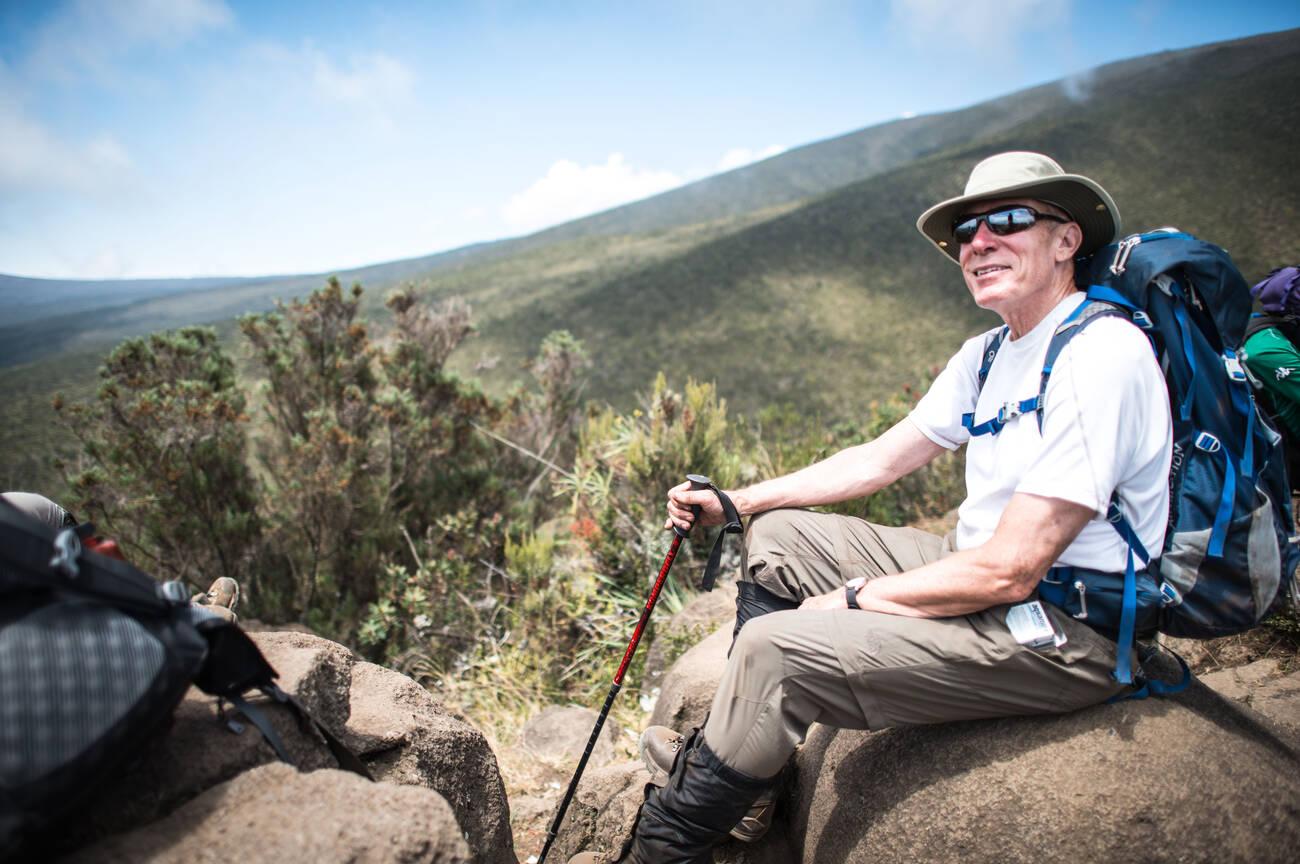
The Lemosho Route is widely regarded as one of the best options for beginners because it combines outstanding scenery with excellent acclimatization. The trail begins on the western side of Mount Kilimanjaro and crosses several unique ecological zones before joining the southern routes toward the summit. Its longer itinerary gives climbers more time to adjust to the altitude, making it one of the safest and most successful routes for first-time trekkers.
Duration: 7–8 days
Difficulty: Moderate
Success rate: Very High
Experts often recommend this route when explaining how to climb Mount Kilimanjaro safely because the additional trekking days significantly improve acclimatization and summit success. The Lemosho Route also offers breathtaking scenery, fewer crowds during the early stages, and excellent opportunities to enjoy the mountain’s diverse landscapes. For many climbers, it provides the perfect balance of adventure, comfort, and a high probability of reaching Uhuru Peak.
Rongai Route
The Rongai Route approaches Mount Kilimanjaro from the northern side near the Kenyan border, offering a quieter alternative to the more popular southern routes. Because it receives less traffic, it is ideal for trekkers who enjoy a peaceful mountain experience with fewer people on the trail. The route also tends to be drier than the southern routes, making it a good option during certain times of the year.
Duration: 6–7 days
Difficulty: Moderate
The Rongai Route is perfect for those who prefer a calm and less crowded climb while still enjoying beautiful mountain scenery and a gradual ascent. Although it offers fewer dramatic landscape changes than routes such as Lemosho or Machame, it provides a comfortable trekking experience and good acclimatization when completed over a longer itinerary. When learning how to climb Mount Kilimanjaro, many climbers choose Rongai for its peaceful atmosphere, steady pace, and reliable conditions.
Step by Step Guide to Climbing Kilimanjaro
Understanding the entire climbing process is essential when learning how to climb Mount Kilimanjaro. Careful planning before your trip will make the experience smoother, safer, and more enjoyable from start to finish. By following each step in the correct order, you can avoid common mistakes, prepare for the mountain’s challenges, and significantly improve your chances of reaching the summit of Africa’s highest peak.
Step 1: Choose a Tour Operator
You must climb Kilimanjaro with a licensed guide, as independent climbing is not permitted. Choose a tour company with excellent reviews, experienced mountain guides, strong safety standards, quality equipment, and fair treatment of porters. A reliable operator will also provide detailed pre-climb information, monitor your health throughout the trek, and support you every step of the journey.
Step 2: Book Your Route
Select a route that matches your fitness level, climbing experience, available time, and summit goals. Longer routes such as Lemosho or Machame generally offer better acclimatization and higher success rates, while shorter routes are more physically demanding due to faster altitude gain. Choosing the right itinerary is one of the most important decisions when planning how to climb Mount Kilimanjaro successfully.
Step 3: Train Your Body
Start training at least 2–3 months before your climb by focusing on hiking, cardiovascular fitness, strength training, and endurance exercises. Regular practice on hills or uneven terrain while carrying a backpack will prepare your body for long trekking days. Consistent training not only improves physical fitness but also builds confidence for the challenges you will face on the mountain.
Step 4: Pack Proper Gear
Prepare all necessary equipment well in advance to ensure you are ready for changing weather conditions and high-altitude trekking. Essential items include warm clothing, waterproof outer layers, sturdy hiking boots, a quality sleeping bag, gloves, trekking poles, a headlamp, and personal toiletries. Testing your gear before departure helps ensure everything fits comfortably and performs well during your expedition.
Step 5: Travel to Tanzania
Most climbers begin their adventure from Arusha or Moshi, the two main gateway towns for Mount Kilimanjaro expeditions. These towns offer accommodation, gear rental services, equipment checks, and pre-climb briefings before heading to the mountain. Arriving at least one day before your trek allows time to rest, meet your guide, organize your equipment, and make any final preparations before the climb begins.
Following these steps will help you understand how to climb Mount Kilimanjaro in an organized and well planned way. Proper preparation, choosing the right route, training consistently, packing the correct equipment, and working with an experienced guiding team all contribute to a safer, more enjoyable, and more successful trekking experience. With careful planning and determination, even first-time climbers can achieve their dream of reaching Uhuru Peak.
Physical & Mental Preparation for Mount Kilimanjaro Trekking
Physical Preparation
Fitness is very important when preparing for your Kilimanjaro adventure. You don’t need to be an elite athlete, but you must maintain an active lifestyle and build enough endurance to handle long days of hiking at high altitude. The more prepared your body is before the climb, the easier it becomes to adapt to the mountain’s demanding conditions and enjoy the journey safely.
Training Tips
Practice hiking regularly
Do cardio exercises like running or cycling
Build leg strength
If you are serious about how to climb Mount Kilimanjaro, consistent training is essential. Aim to train several times per week for at least 2–3 months before your trip. Gradually increase the intensity of your workouts, include uphill walking or stair climbing, and try hiking with a backpack to simulate real trekking conditions. This preparation helps improve stamina, reduces fatigue, and lowers the risk of injury during the climb.
Mental Preparation
Mental strength is just as important as physical fitness when climbing Mount Kilimanjaro. The trek can be long, tiring, and emotionally challenging, especially as altitude increases and oxygen levels decrease. Many climbers find that mindset plays a major role in determining whether they reach the summit or turn back early due to exhaustion or discomfort.
Staying positive and focused throughout the journey is essential. There will be moments when the climb feels difficult, but believing in yourself and trusting the process will help you continue forward. Many people succeed not only because of physical preparation but because they remain mentally strong and committed even during tough sections of the trek.
Understanding how to climb Mount Kilimanjaro also means preparing your mindset to handle challenges with patience and determination. Accepting that the journey will be slow, demanding, and sometimes uncomfortable allows you to stay calm and focused. With the right mental attitude, combined with physical training, you can greatly increase your chances of reaching Uhuru Peak successfully.
What to Pack for Kilimanjaro

Packing the right gear is essential for a safe, comfortable, and successful trek. Conditions on Mount Kilimanjaro change dramatically as you climb through different climate zones, so having the correct clothing and equipment will help you stay warm, dry, and well-prepared throughout the journey. Good preparation before departure reduces stress on the mountain and allows you to focus more on the experience itself.
Essential Items
Warm clothes (layers)
Waterproof jacket
Strong hiking boots
Sleeping bag
Backpack
These essential items form the foundation of your Kilimanjaro packing list. Layered clothing is especially important because temperatures can vary from hot and humid in the rainforest to freezing near the summit. Waterproof protection keeps you dry during unexpected rain, while quality hiking boots provide stability and reduce the risk of injury on uneven terrain. A reliable sleeping bag and properly fitted backpack ensure comfort during long trekking days and cold nights.
It is also important to bring additional small essentials such as gloves, hats, trekking poles, sunglasses, sunscreen, headlamp, and reusable water bottles. These items may seem minor, but they significantly improve your comfort and safety during the climb. Proper organization of your gear will make it easier to access what you need quickly in changing weather conditions.
Avoid overpacking, as carrying unnecessary weight can make the trek more difficult and exhausting. When learning how to climb Mount Kilimanjaro, smart packing is a key factor in your overall success. Focus only on essential, high-quality items and ensure everything you bring serves a purpose. Traveling light but well-prepared allows you to move more efficiently and enjoy the climb with less physical strain.
Understanding Altitude Sickness
Altitude sickness is the biggest challenge on the mountain when attempting Kilimanjaro. As you ascend higher, oxygen levels decrease, and your body must work harder to adjust. Even fit and experienced hikers can be affected, which is why understanding the condition is essential before starting your journey. Proper awareness and preparation can make a significant difference in your comfort and overall success on the climb.
Common Symptoms
Headache
Nausea
Fatigue
These symptoms are the most common signs that your body is struggling to adapt to high altitude. Some climbers may also experience dizziness, loss of appetite, or difficulty sleeping. It is very important to communicate any symptoms to your guide early, as timely action can prevent the condition from becoming more serious. Ignoring symptoms can lead to worsening health conditions that require descending the mountain immediately.
How to Prevent It
Walk slowly (pole pole)
Drink plenty of water
Take rest seriously
Prevention is the most effective way to manage altitude sickness during your climb. Walking slowly allows your body to adjust gradually to changing oxygen levels, while staying well-hydrated supports proper body function at high altitude. Rest is equally important, as it gives your body time to recover after long hiking hours and helps reduce fatigue.
A good understanding of how to climb Mount Kilimanjaro includes learning how to manage altitude properly throughout the entire trek. Choosing longer routes, following your guide’s instructions, maintaining a steady pace, and allowing sufficient acclimatization time all play a major role in reducing the risk of altitude sickness. With the right approach, most climbers can safely adapt and continue toward reaching Uhuru Peak successfully.
Daily Experience on the Mountain
Each day on Mount Kilimanjaro brings new landscapes, changing weather conditions, and different physical challenges. As you ascend, the environment gradually transforms, giving you the feeling of traveling through multiple climate zones in a single expedition. Understanding this daily progression is an important part of learning how to climb Mount Kilimanjaro, as it helps you prepare mentally and physically for what to expect on the trail.
Trekking Phases
Rainforest: Warm and green
Moorland: Cooler with open views
Alpine desert: Dry and windy
Summit: Cold and snowy
Each trekking phase offers a unique experience. The rainforest zone is rich in vegetation, birdlife, and humidity, creating a warm and vibrant environment at the start of your journey. As you climb higher, the moorland zone opens up with wide views and cooler temperatures, followed by the alpine desert, where the air becomes dry, cold, and windy with rocky terrain dominating the landscape. Finally, the summit zone is covered in ice and snow, where temperatures drop significantly and oxygen levels are at their lowest.
Summit Night Challenge
Summit night is the hardest and most demanding part of the entire climb. You begin your ascent in complete darkness, usually around midnight, and hike for several hours in freezing temperatures toward Uhuru Peak. The combination of cold weather, fatigue, and high altitude makes this section extremely challenging both physically and mentally.
Despite the difficulty, summit night is also the most rewarding moment of the journey. Reaching the top as the sun rises above Africa creates an unforgettable experience that makes every step worthwhile. This stage is a key part of understanding how to climb Mount Kilimanjaro, as it tests endurance, determination, and mental strength more than any other part of the trek.
What to Pack for Kilimanjaro
Packing the right gear is essential for a safe, comfortable, and successful trek. Conditions on Mount Kilimanjaro change dramatically as you climb through different climate zones, so having the correct clothing and equipment will help you stay warm, dry, and well-prepared throughout the journey. Good preparation before departure reduces stress on the mountain and allows you to focus more on the experience itself.
Essential Items
Warm clothes (layers)
Waterproof jacket
Strong hiking boots
Sleeping bag
Backpack
These essential items form the foundation of your Kilimanjaro packing list. Layered clothing is especially important because temperatures can vary from hot and humid in the rainforest to freezing near the summit. Waterproof protection keeps you dry during unexpected rain, while quality hiking boots provide stability and reduce the risk of injury on uneven terrain. A reliable sleeping bag and properly fitted backpack ensure comfort during long trekking days and cold nights.
It is also important to bring additional small essentials such as gloves, hats, trekking poles, sunglasses, sunscreen, headlamp, and reusable water bottles. These items may seem minor, but they significantly improve your comfort and safety during the climb. Proper organization of your gear will make it easier to access what you need quickly in changing weather conditions.
Avoid overpacking, as carrying unnecessary weight can make the trek more difficult and exhausting. When learning how to climb Mount Kilimanjaro, smart packing is a key factor in your overall success. Focus only on essential, high-quality items and ensure everything you bring serves a purpose. Traveling light but well-prepared allows you to move more efficiently and enjoy the climb with less physical strain.
Expert Tips for Beginners
Starting your Kilimanjaro journey as a beginner can feel overwhelming, but with the right approach, it becomes much more manageable and enjoyable. Simple but effective habits can significantly increase your comfort and summit success. These expert recommendations are designed to help first-time trekkers understand the most important principles of how to climb Mount Kilimanjaro safely and successfully.
Go Slowly
Walking slowly is one of the most important rules on the mountain. Maintaining a steady and relaxed pace allows your body to adjust gradually to the increasing altitude and reduces fatigue during long hiking days. Many climbers succeed simply because they respect the “pole pole” (slowly, slowly) approach from start to finish.
Stay Hydrated
Drink at least 3 liters of water daily to keep your body functioning well at high altitude. Proper hydration helps reduce the risk of altitude sickness, supports energy levels, and improves overall performance on the trail. Sipping water regularly throughout the day is more effective than drinking large amounts at once.
Eat Properly
Food is your main source of energy during the climb. Even if your appetite decreases at higher altitudes, it is important to eat balanced meals that include carbohydrates, proteins, and fats. Proper nutrition helps your body recover each day and maintain strength for continuous trekking.
Listen to Guides
Your guides are highly experienced and understand the mountain, weather changes, and altitude effects. Following their instructions carefully ensures your safety and improves your chances of reaching the summit. They also monitor your condition and adjust the pace when necessary.
Choose Longer Routes
Longer routes provide more time for acclimatization, which significantly increases summit success rates. Extra days allow your body to adapt to altitude gradually, reducing the risk of altitude sickness. Choosing a longer itinerary is one of the most important decisions when learning how to climb Mount Kilimanjaro as a beginner.
These tips are essential for anyone preparing for Kilimanjaro, as they combine safety, endurance, and smart decision-making. By applying them consistently, beginners can greatly improve their chances of enjoying a successful and unforgettable climb to Uhuru Peak.
FAQs — How to Climb Mount Kilimanjaro: Complete Beginner’s Trekking Guide
How do beginners climb Mount Kilimanjaro successfully?
Beginners can successfully climb Mount Kilimanjaro by choosing a longer route (7–9 days), training in advance, walking slowly, and following a professional guide’s instructions. Proper acclimatization and preparation are the most important factors for reaching Uhuru Peak.
What is the best Kilimanjaro route for first-time climbers?
The best routes for beginners are the Lemosho Route and Machame Route. These routes offer gradual altitude gain, better acclimatization, and higher summit success rates compared to shorter options like Marangu.
Do I need technical climbing skills to climb Mount Kilimanjaro?
No, Mount Kilimanjaro is a trekking mountain, not a technical climb. Beginners do not need ropes or mountaineering experience. However, good physical fitness and mental endurance are essential for completing the trek.
How fit should I be before climbing Kilimanjaro as a beginner?
You should be able to hike for several hours a day on uneven terrain while carrying a backpack. Regular cardio training, hiking practice, and leg-strength exercises for at least 6–8 weeks before the climb are recommended.
What is the biggest challenge for beginners on Kilimanjaro?
The biggest challenge is altitude sickness caused by reduced oxygen at high elevations. Beginners can reduce this risk by choosing longer routes, staying hydrated, walking slowly, and allowing proper acclimatization.
How long does it take to climb Mount Kilimanjaro for beginners?
Most beginner-friendly climbs take between 6 and 9 days, depending on the route. Longer itineraries are strongly recommended because they increase acclimatization time and improve summit success rates.
What should beginners pack for a Kilimanjaro trek?
Beginners should pack layered clothing, waterproof boots, a warm jacket, gloves, a sleeping bag, trekking poles, headlamp, sunglasses, sunscreen, and a hydration system. Proper gear is critical for changing mountain weather conditions.
When is the best time for beginners to climb Kilimanjaro?
The best time is during the dry seasons: January to March and June to October. These months offer clearer skies, safer trails, and more comfortable trekking conditions for first-time climbers.
Can beginners climb Kilimanjaro without a guide?
No. All climbers, including beginners, must be accompanied by a licensed guide according to Tanzania National Park regulations. Guides also play a vital role in safety, navigation, and altitude monitoring.
What tips help beginners reach the summit of Kilimanjaro?
Key beginner tips include walking slowly (“pole pole”), drinking enough water, eating regularly, sleeping well, choosing a longer route, and listening to your guide. Mental determination is just as important as physical fitness.
Plan your Trip
Ready to start planning your own incredible adventure?
We make the process stress-free and enjoyable.